By Ebube Bruno
CALABAR (CONVERSEER) – Last month, the world marked World Population Day 2025. And then it hit us: humanity now stands at an unprecedented demographic crossroads.
According to the UN, the global population has surpassed 8.2 billion, and we’re on track to cross 9 billion before 2037.
But here’s the kicker: the real question isn’t how many people the planet can hold. It’s whether our healthcare systems (already stretched thin), can carry the weight of humanity’s future.
The Numbers Don’t Lie
It took humanity thousands of years to hit 1 billion people. Then, in just two centuries, we added seven billion more. We hit 7 billion in 2011, 7.9 billion in 2021, and 8.2 billion in 2025. By 2050? Close to 9.7 billion. By 2100? Nearly 11 billion.
At the same time, fertility rates have dropped from an average of 4.5 children per woman in the 1970s to 2.2 today. Life expectancy has jumped from 64.6 years in the 1990s to 73.5 years in 2025. People are living longer, but that also means more people living with long-term health needs.
What This Means for Healthcare
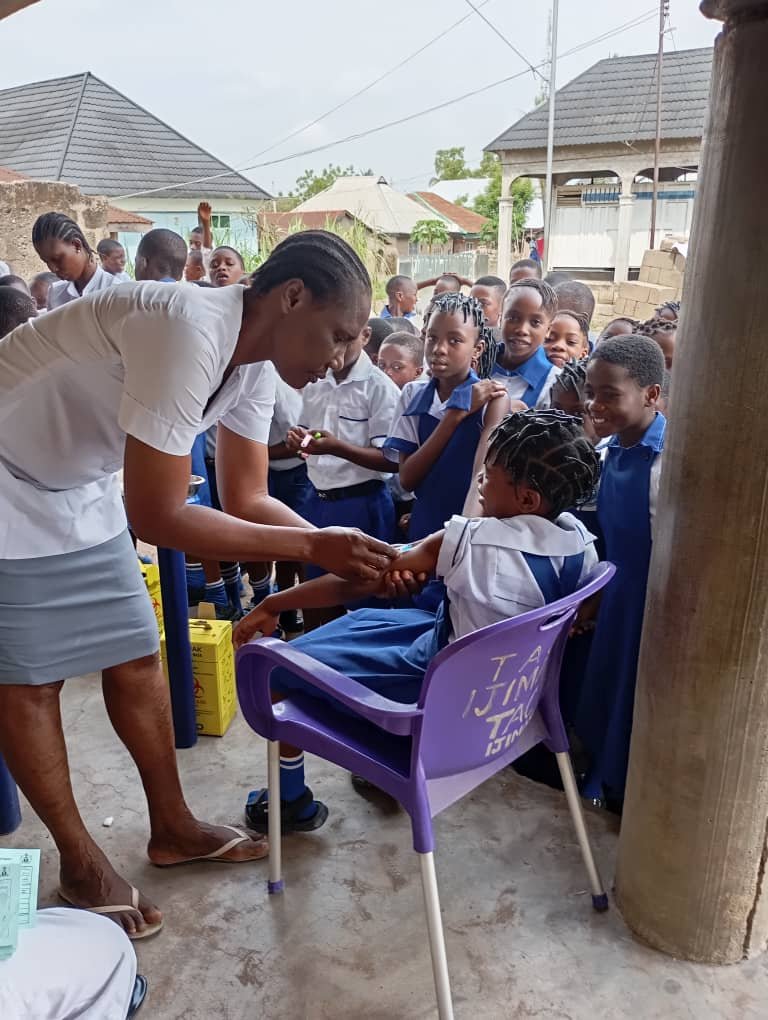
I. The Youth Dividend – Nearly a quarter of the world (24%) is under 15. This represents both tremendous potential and pressing healthcare needs. These young populations, concentrated primarily in Sub-Saharan Africa and parts of Asia, will require vaccines, maternal health, and education programmes.
II. The Productive Majority – With 65% in their working years, preventive care and stronger health systems could pay off massively.
III. The Ageing Wave – By 2050, one in six people will be over 65. That’s a tidal wave of demand for chronic care, geriatric specialists, and long-term support.
IV. Urbanisation Pressure – Over 56% of people live in cities. Many of these cities witness explosive growth; faster than hospitals and clinics can be built. Think slums, traffic, pollution — and overstretched doctors.
V. Rising Disease Burden – Non-communicable diseases like diabetes, cancer, and hypertension are exploding, even as malaria, TB, and new viral threats refuse to go away. Double trouble.
VI. Health Inequities – While rich nations chase the latest biotech breakthroughs, millions in developing countries still struggle to see a doctor or buy basic medicines.
Rethinking Healthcare in a Crowded World
If the population clock keeps ticking, healthcare must reinvent itself. Some solutions are already m clear:
1. Community-first care – Mobile clinics, community health workers, and rural outreach will matter more than flashy hospitals in megacities.
2. Prevention over cure – In a crowded world, it’s cheaper and smarter to stop disease before it starts. Clean water, vaccines, nutrition and mental health support will save far more lives than waiting until people show up in overcrowded hospitals.
3. Family planning – Let’s be real: access to contraceptives and reproductive health isn’t just a rights issue, it’s a survival strategy. Smaller, healthier families mean stronger economies and less strain on fragile health systems.
4. Digital medicine – Telehealth, 5G consultations, and AI diagnostics aren’t futuristic toys anymore; they’re lifelines for people who can’t queue all day at underfunded clinics. We need to bring some innovations in fintech and banking into healthcare to decongest our hospitals.
5. Climate-health action – Population growth intersects with climate change to create new health challenges. Rising temperatures, changing disease patterns, extreme weather events, and food security issues will require healthcare systems to adapt rapidly and think beyond traditional medical models. If climate policy and health policy don’t shake hands, we’ll keep losing lives.
6. Training tomorrow’s health workers – No system survives without people. Doctors, nurses, midwives and other frontline professionals. Without these healthcare workers, all the tech and big talk will fall flat. Training and retaining health workers and specialists must be priority number one.
The Bottom Line
Nigeria alone, with over 220 million people and counting, the story is painfully familiar: crowded hospitals, overworked health workers, and families paying out-of-pocket for care that should be a right. Multiply that by the global numbers, and you see the scale of the crisis.
As our population grows, let us recommit to building systems that heal, not just treat.
Every person on this planet deserves access to dignified, personalised, and equitable care, regardless of zip code, income, or background.
Note that the future of healthcare in a crowded world won’t be written in glossy policy papers. It will be decided in the choices governments make now: prevention over reaction, equity over exclusion, and innovation over inertia.
Because here’s the truth — if our healthcare systems can’t keep up, every other progress we dream of will collapse under the weight of our numbers.