By Frank Ulom
The Cross River State Government has unveiled an ambitious coffee development programme aimed at transforming the state’s agricultural economy, creating thousands of jobs, expanding exports and positioning Cross River as Nigeria’s leading coffee-producing state.
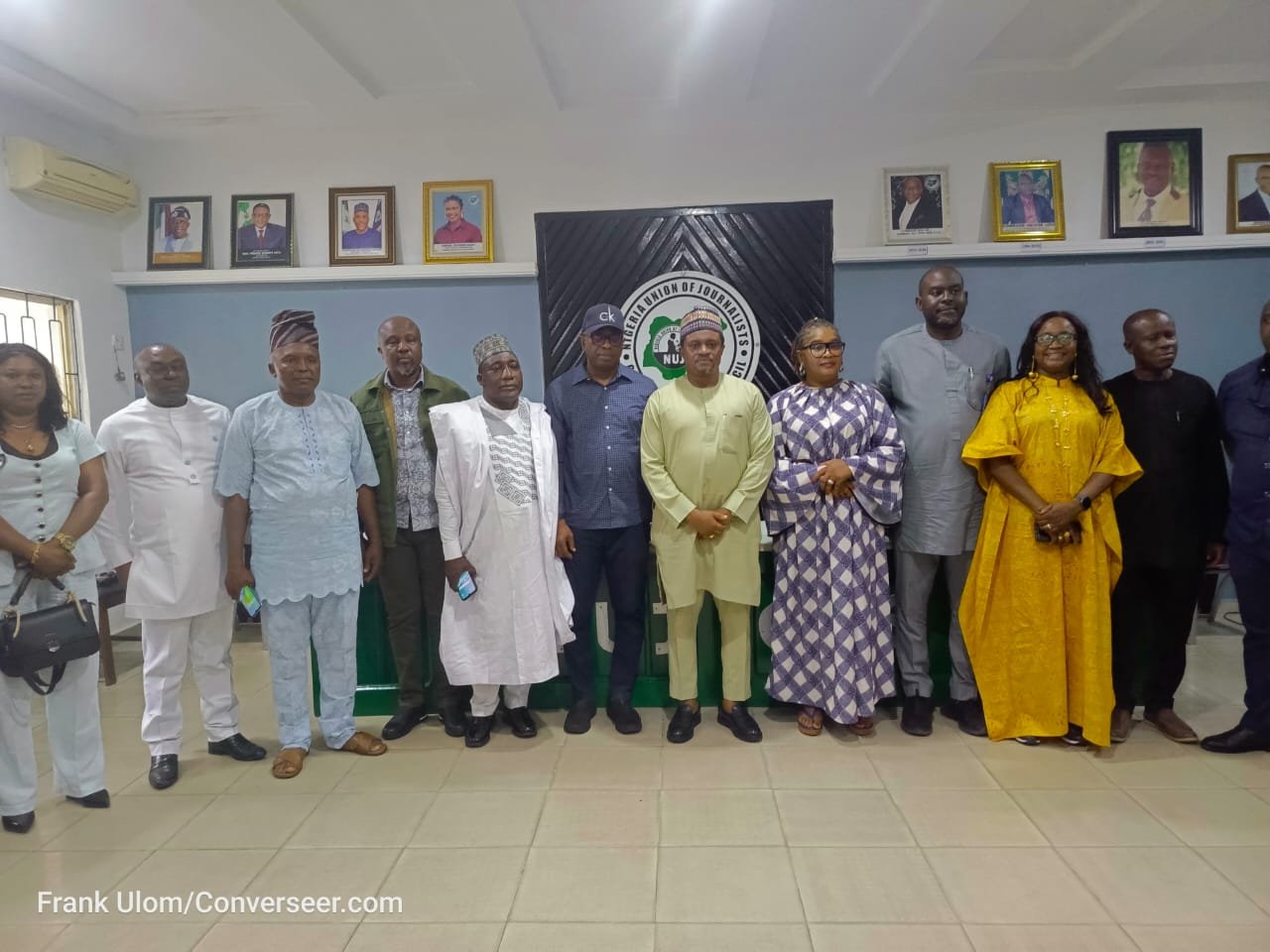
Speaking at a press briefing held on Monday at the NUJ Press Centre in Calabar, the Commissioner for Agriculture and Irrigation Development, Hon. Johnson Andiambey Ebokpo, described the initiative as a strategic intervention by Governor Bassey Otu’s administration to introduce coffee as a major export commodity alongside cocoa and oil palm.

According to him, while cocoa has remained Cross River’s dominant export crop for decades, the state has deliberately chosen coffee as another high-value commodity capable of increasing farmers’ incomes and reducing dependence on a single cash crop.
He commended Governor Otu for providing what he described as visionary leadership by pursuing a new agricultural value chain that could redefine Cross River’s economy for generations.
Ebokpo recalled that the establishment of cocoa estates in the old Eastern Region between 1957 and 1960 under the late Dr Michael Okpara remained one of the last major agricultural interventions of its kind, adding that the coffee initiative represents the first intentional effort in decades to establish another globally competitive export crop in the state.
He explained that the government deliberately delayed announcing the programme until it had progressed beyond the planning stage.
“This would have been announced much earlier, but we wanted proof of concept. Coffee development requires collaboration across several institutions and stakeholders. It is not simply about planting seedlings,” he said.
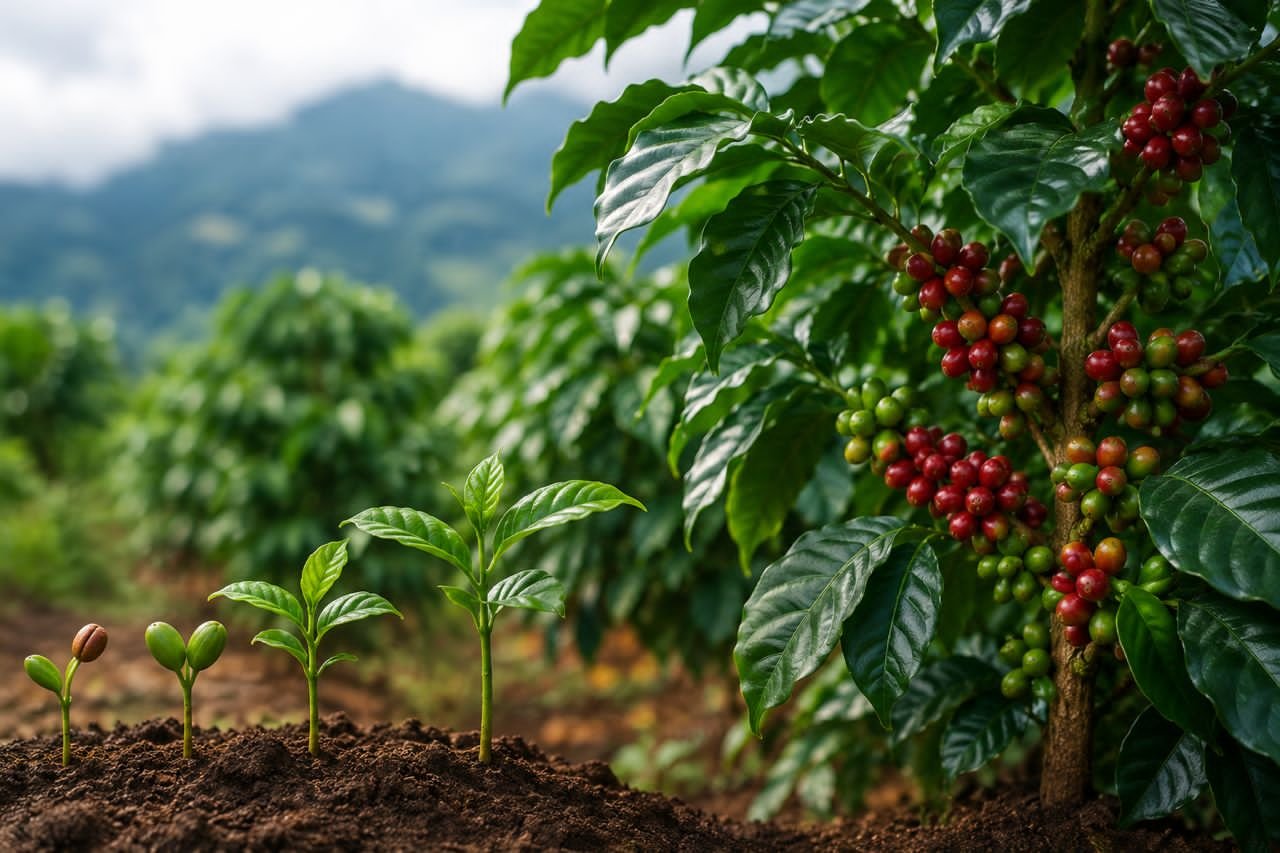
The commissioner disclosed that Governor Otu had approved the distribution of 30 million coffee seedlings to smallholder farmers under a seven-year strategic plan covering the period between 2024 and 2032.
He said the programme would eventually cover approximately 27,000 hectares of farmland across the state.
According to him, government commenced the first phase of implementation in 2025 with one million seedlings before suspending further distribution because the planting season was almost over.
He announced that the state would now distribute an additional four million seedlings during the current planting season.
Ebokpo explained that the programme adopts two implementation models comprising smallholder farming and commercial plantation development, with the initial emphasis placed on supporting smallholder farmers.
Before distribution began, he said government conducted a comprehensive enumeration exercise to identify eligible farmers across the state.
The exercise, he noted, received significant support from the Office of the First Lady through extensive mobilisation campaigns, particularly among women.
Drawing examples from coffee-producing countries such as Kenya, Ethiopia, Uganda and Côte d’Ivoire, the commissioner observed that women constitute the majority of coffee producers at the farm level, making their participation critical to the success of the programme.
He added that the enumeration and mobilisation process was supported by Lingzhi Global Nigeria Limited, an international coffee market systems company partnering the state on various aspects of the project.
Ebokpo disclosed that the coffee roadmap is built around five strategic pillars covering institutional reforms, production, post-harvest processing, marketing and access to finance, as well as sustainability and quality standards.
He said Cross River possesses a unique ecological advantage, with climatic conditions suitable for both Arabica and Robusta coffee varieties.
According to him, Arabica seedlings will be distributed to the highland areas of Obudu, Obanliku and parts of eastern Boki, while Robusta coffee will be cultivated across virtually every part of the state, including Bakassi.
He stressed that sustainability remains central to the programme, noting that government intends to produce coffee that meets international standards and attracts premium prices on the global market.
“The flavour profile determines the value of coffee. Cross River has one of the highest annual rainfall patterns in Africa and possesses two major agro-ecological zones suitable for premium coffee production,” he stated.
To strengthen the value chain, the commissioner said local government councils are expected to establish communal washing stations and drying facilities to ensure proper processing and quality control.
Such facilities, he explained, would preserve coffee quality, improve flavour profiles and enable councils to generate additional internally generated revenue.
Ebokpo further revealed that the state government has forwarded two major Executive Bills to the Cross River State House of Assembly.
The bills seek to establish a three-crop development agency and amend the state’s Produce Law to strengthen regulation, quality assurance and market access.
He also announced plans to establish a Coffee Commodity Exchange that would aggregate coffee produced by farmers across the state and connect them directly with buyers while reducing dependence on middlemen.
“We are not fixing prices. What we are doing is guaranteeing markets and ensuring farmers receive better returns from their produce,” he said.
Highlighting global market opportunities, Ebokpo said the international coffee trade was valued at approximately $470 billion in 2025, while African producers earned only a small fraction of total global revenues.
He noted that Uganda currently generates about $1.2 billion annually from coffee exports and argued that Nigeria must reposition itself to benefit from the expanding global market.
The commissioner also disclosed that the state is pursuing bilateral partnerships with the Uganda Coffee Development Agency, World Coffee Research, the Cocoa Research Institute of Nigeria, the Food and Agriculture Organisation, the British High Commission, the French Embassy and the Chinese Embassy to strengthen research, improve productivity and introduce improved clonal propagation technologies.
He added that government intends to promote coffee tourism similar to successful models in Uganda and Rwanda while establishing innovation hubs that would enable young entrepreneurs to package and export branded coffee products from Cross River to international markets.

Director General of the Cross River State Geographical Information Agency (CRGIA), William Archibong Snr., said the agency has completed extensive geographical mapping of coffee, cocoa and oil palm farms across the state.
He explained that sophisticated Geographic Information Systems technology is being used to map every participating farm, assign unique farm identification numbers and build a comprehensive digital database.
According to him, about 17,000 farmers have already been captured on the state’s digital platform, with data cleaning already completed for approximately 11,000 farmers.
He disclosed that nearly 19,000 hectares have so far been mapped, while the target is to reach 100,000 hectares before the end of the year.
Archibong said the mapping exercise would support traceability requirements under the European Union Deforestation Regulation (EUDR), improve transparency and enhance access to premium export markets.
He added that the World Bank had already visited Cross River to assess the state’s digital agricultural mapping system and is expected to return for another assessment.
Chairman and Chief Executive Officer of the Cross River State Forestry Commission, Rt. Hon. George O’ben-Etchi, PhD, assured stakeholders that the coffee revolution would not lead to encroachment into protected forests.
He said Governor Otu had issued clear directives that agricultural expansion must not come at the expense of forest reserves.
According to him, government is identifying suitable community lands outside protected forests while simultaneously developing digital maps that will support planning, monitoring and revenue generation.
He added that the Forestry Commission is working closely with CRGIA to ensure environmental sustainability throughout implementation.
Representing the Chairman of the House Committee on Agriculture, Cross River State House of Assembly, Hon. Samuel Neji Abang (Member Representing Ikom I) said the two Executive Bills have successfully passed first and second readings before being referred to the committee.
He disclosed that public hearings would commence within the next week to allow farmers, agronomists, trade experts and private sector stakeholders to make contributions before the bills are passed into law.
Abang urged youths across the state to embrace the coffee initiative, saying the legislation would strengthen Cross River’s competitiveness in international agricultural markets.
Representing the First Lady, Bishop Eyoanwan Otu, Queen Eton said the Office of the First Lady has mobilised women across all 18 local government areas to participate actively in coffee production.
She said women have been organised into various groups, trained in coffee production and packaging, and encouraged to view coffee as a sustainable pathway to economic empowerment.
“When women are empowered, the entire society benefits. That is why Her Excellency remains committed to ensuring women play a central role in the coffee value chain,” she said.
President of the National Coffee and Tea Association of Nigeria (NACOFTAN), Dr Hassan Usman Kakara, praised Governor Otu for demonstrating uncommon commitment to reviving Nigeria’s coffee industry.
He recalled that Cross River had previously shown significant coffee potential during research activities conducted by the association between 2019 and 2020.
Kakara said the governor’s approval of 30 million seedlings would empower thousands of women and youths while creating sustainable employment opportunities.
He noted that poor market access and weak stakeholder coordination contributed to the collapse of Nigeria’s coffee industry decades ago but expressed confidence that the current collaborative approach would deliver better results.
He announced that Cross River has officially registered as a coffee-producing state under NACOFTAN and pledged the association’s continued technical support.
Chief Executive Officer of Lingzhi Global Nigeria Limited, Mrs Blessing Nanman, said her company would deploy its international experience to support Cross River’s coffee revolution.
Having spent 14 years in the global coffee industry across more than 70 countries, she described Cross River as one of Africa’s most promising coffee destinations.
Nanman announced plans to establish coffee cooperatives, a coffee academy, coffee festivals and hundreds of coffee shops while investing in skills development, community empowerment and job creation.
She disclosed that Lingzhi Global, working with international partners, intends to connect Cross River farmers directly to global markets while ensuring full compliance with international traceability standards.
According to her, the company also plans to attract foreign investors and coffee enthusiasts to Cross River through coffee tourism initiatives.
The briefing was also attended by the Commissioner for Information, Erasmus Ekpang, PhD, Deputy Press Secretary to the Governor, Mr Edem Darlington, NUJ Chairman, Comr. Archibong Bassey, and other stakeholders, who expressed optimism that the Coffee Revolution would revive Nigeria’s coffee industry, increase foreign exchange earnings, generate employment for women and youths, strengthen rural economies and establish Cross River as a major player in Africa’s growing coffee market.