By Jeno Richard-Odu
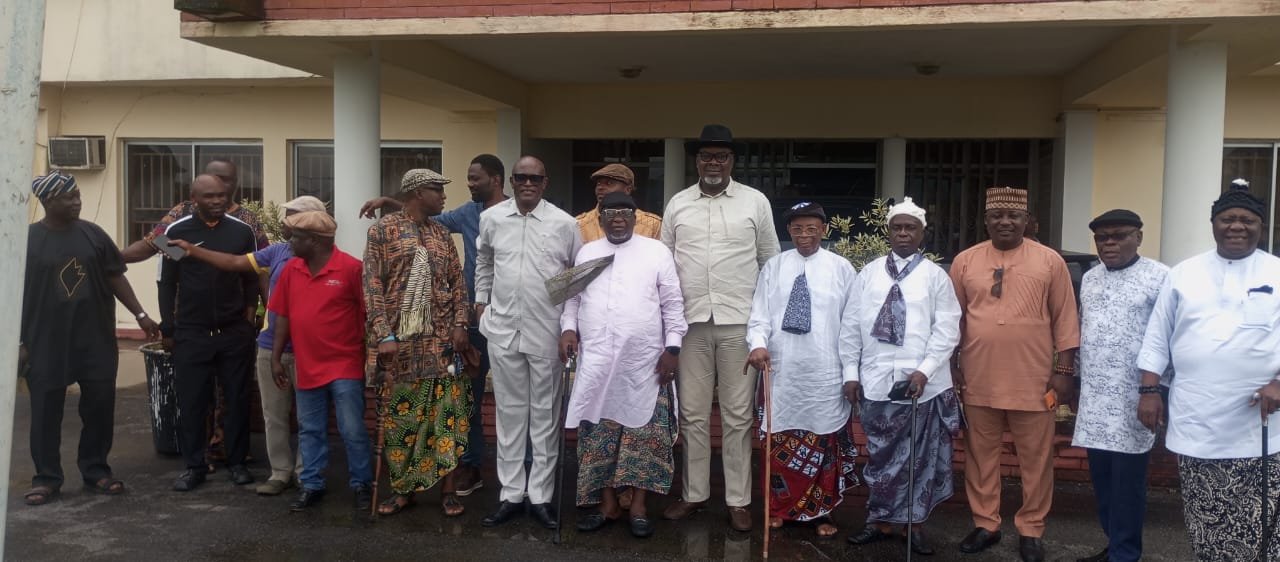
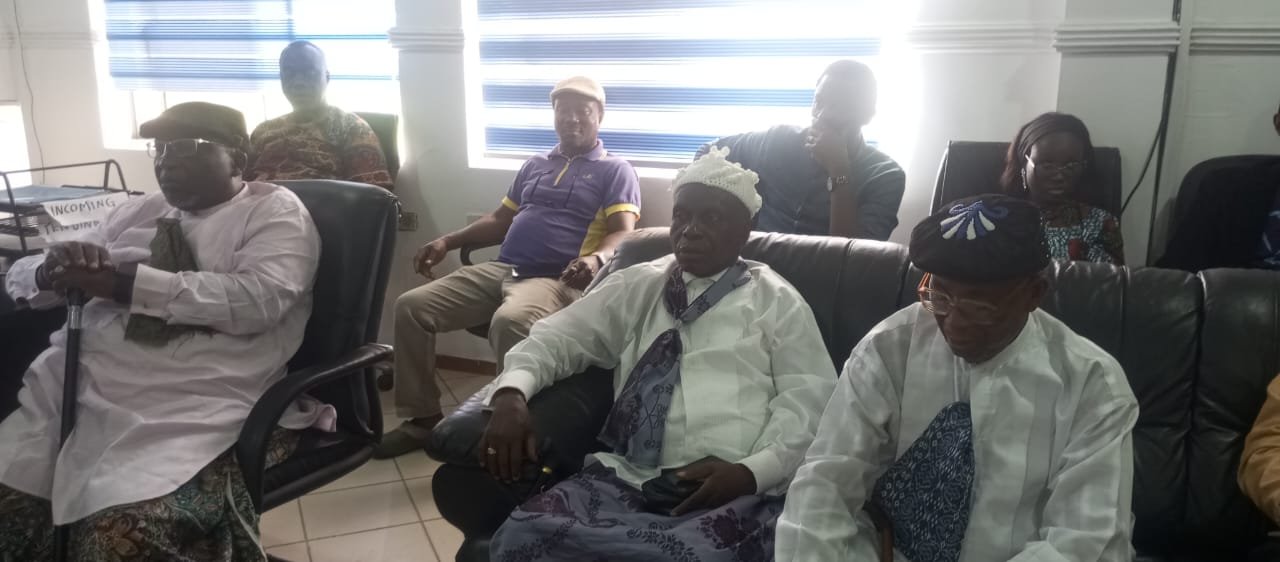
Residents and leaders of Obutong Community in Calabar Municipality have paid a courtesy visit to the Honourable Commissioner for Environment, Bassey Offiong Mensah, Esq., in a bid to draw the attention of the Cross River State Government to the worsening erosion and landslide disaster threatening lives, homes, and critical infrastructure within the community.
The delegation, led by Hon. Chief Effiom Archibong, Chairman of Obutong Council of Chiefs, expressed appreciation to the Commissioner for granting them audience and appealed for urgent government intervention to address the environmental challenges before there escalate into a humanitarian crisis.
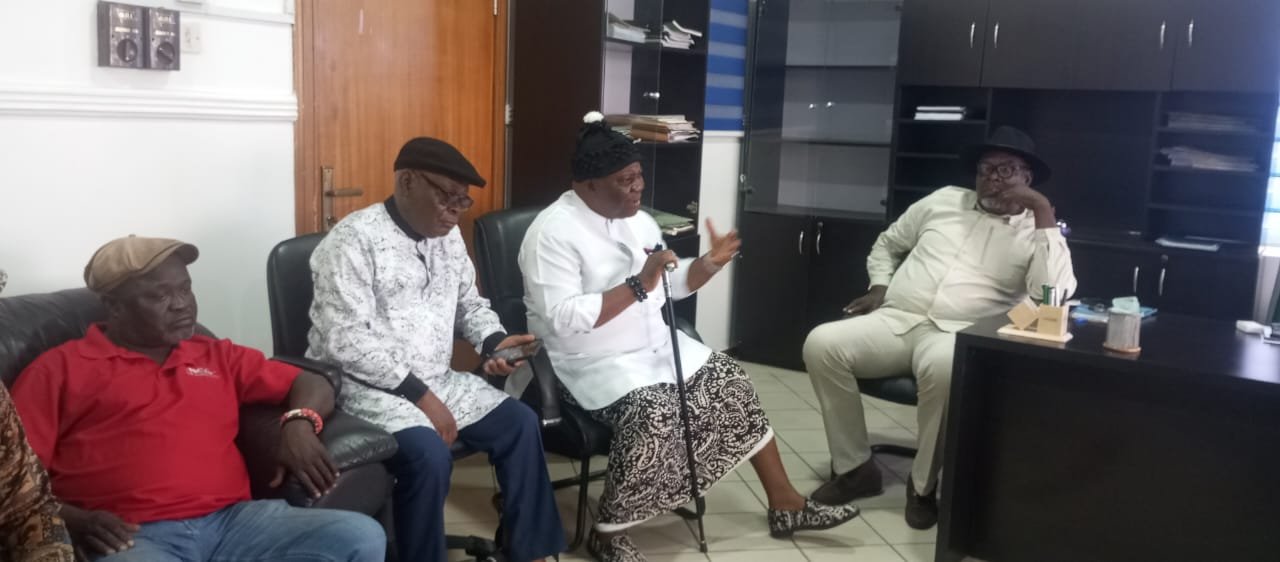
He lamented that continuous landslides at the Obutong beach area have destroyed portions of access roads, endangered residential buildings, and displaced several families, emphasising that the environmental degradation has adversely affected economic activities, agricultural livelihoods, and the safety of residents.
He appealed to the Ministry of Environment to facilitate technical assessments and implement sustainable erosion control and flood mitigation measures.
He also debunked rumours of the community embarking on a protest, noting that the disaster was a natural one and not man-made. He described peddlers of such rumours as imposters and warned them to desist from such.
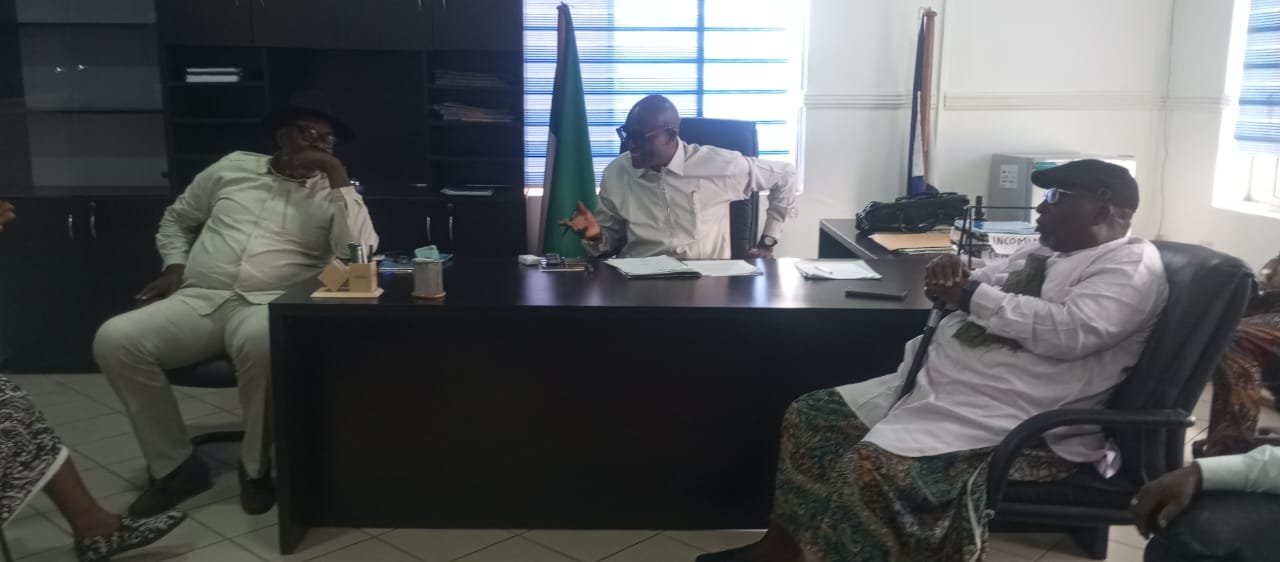
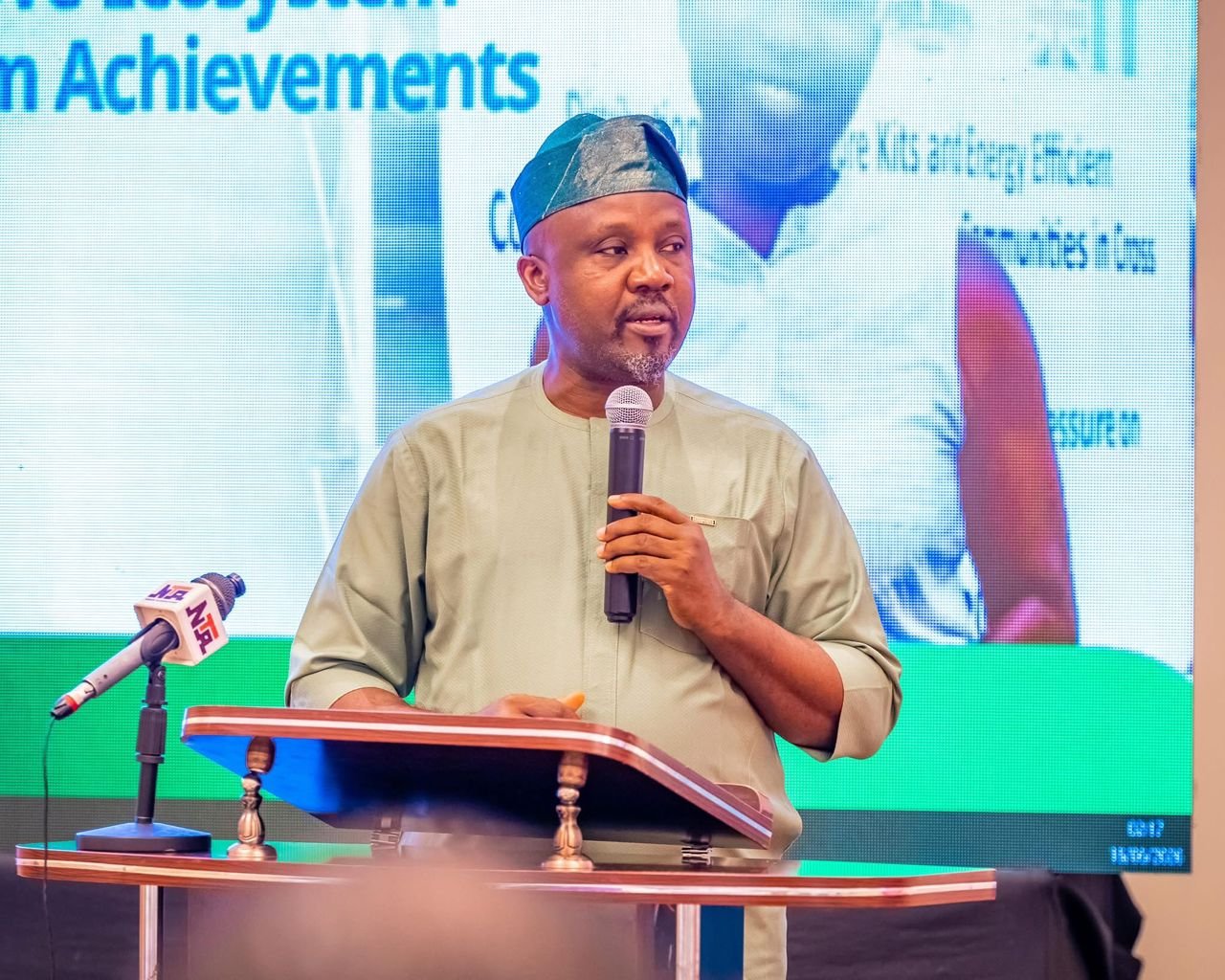
In his response, the Commissioner for Environment, Bassey Offiong Mensah, Esq., commended the Obutong Community for adopting dialogue and peaceful engagement in seeking government intervention.
He described the Obutong community as one of the “oldest ancestral communities” in the State and assured of the State Government’s commitment to protecting lives and property across the state.
The Commissioner noted that the crisis needs “professional ingenuity” and disclosed that the Ministry is already working with relevant agencies and development partners to assess the affected areas and explore practical and sustainable solutions.
He encouraged the community to continue supporting environmental protection initiatives by avoiding activities such as indiscriminate refuse disposal, deforestation, and construction along natural drainage in channels.