By Frank Ulom
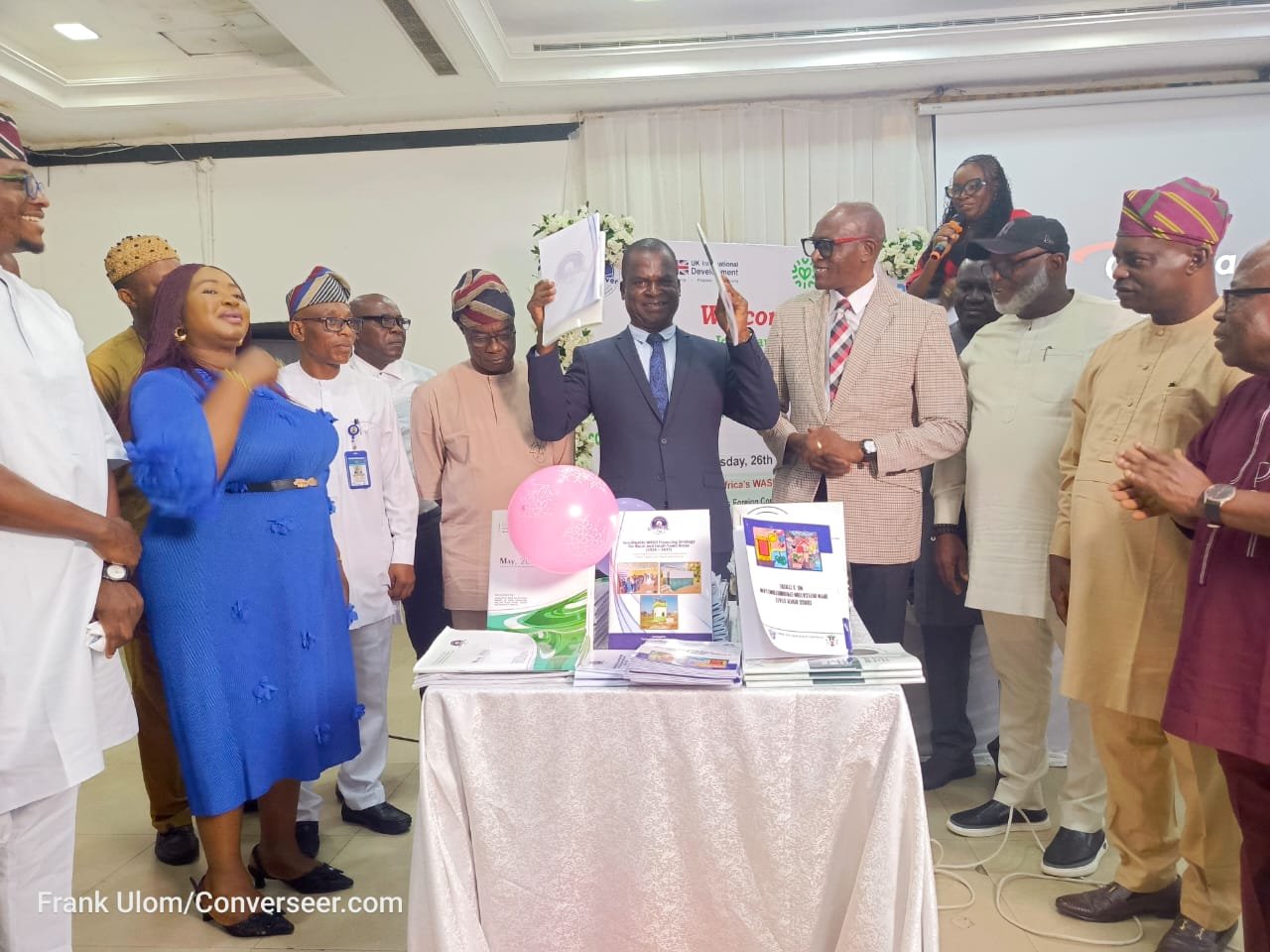
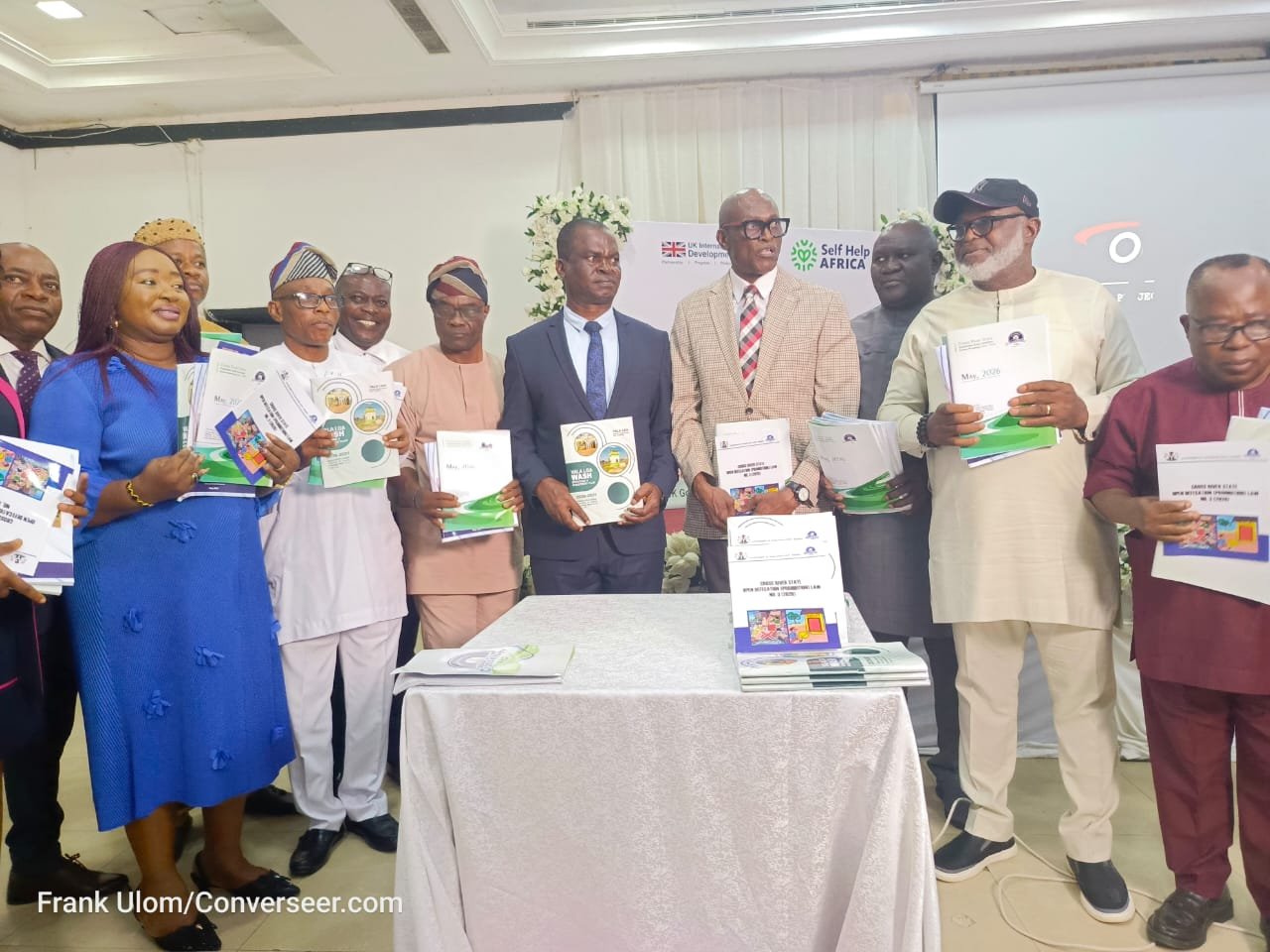
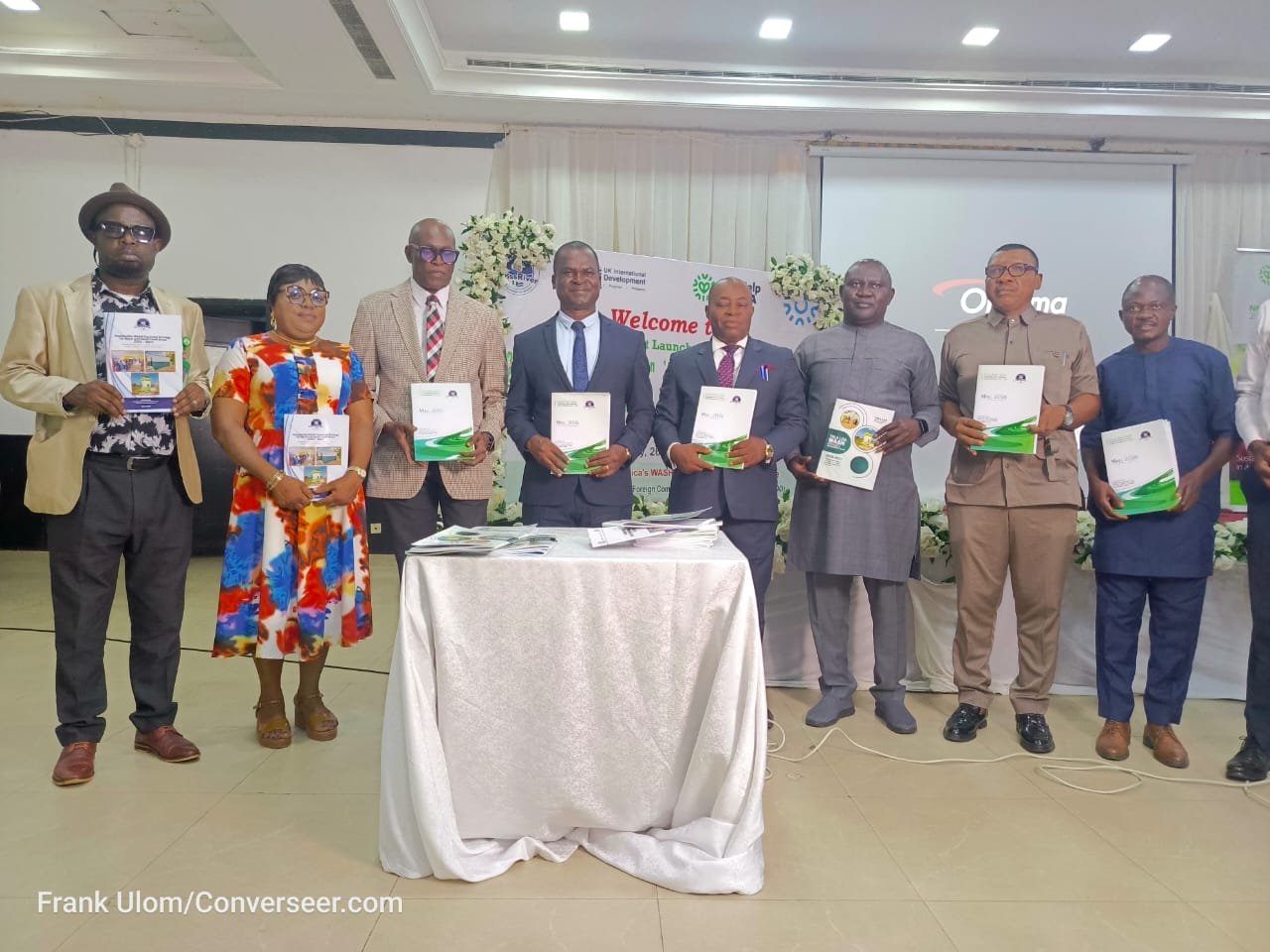
The Cross River State Government, in partnership with Self Help Africa (SHA), has launched four strategic Water, Sanitation and Hygiene (WASH) documents aimed at strengthening sustainable and inclusive WASH service delivery across the state.
The documents launched on Tuesday in Calabar include the Cross River State Open Defecation Law, Cross River State Basic Sanitation Access Roadmap, Cross River State WASH Financing Strategy, and the Yala Local Government Area WASH Strategic Plan.
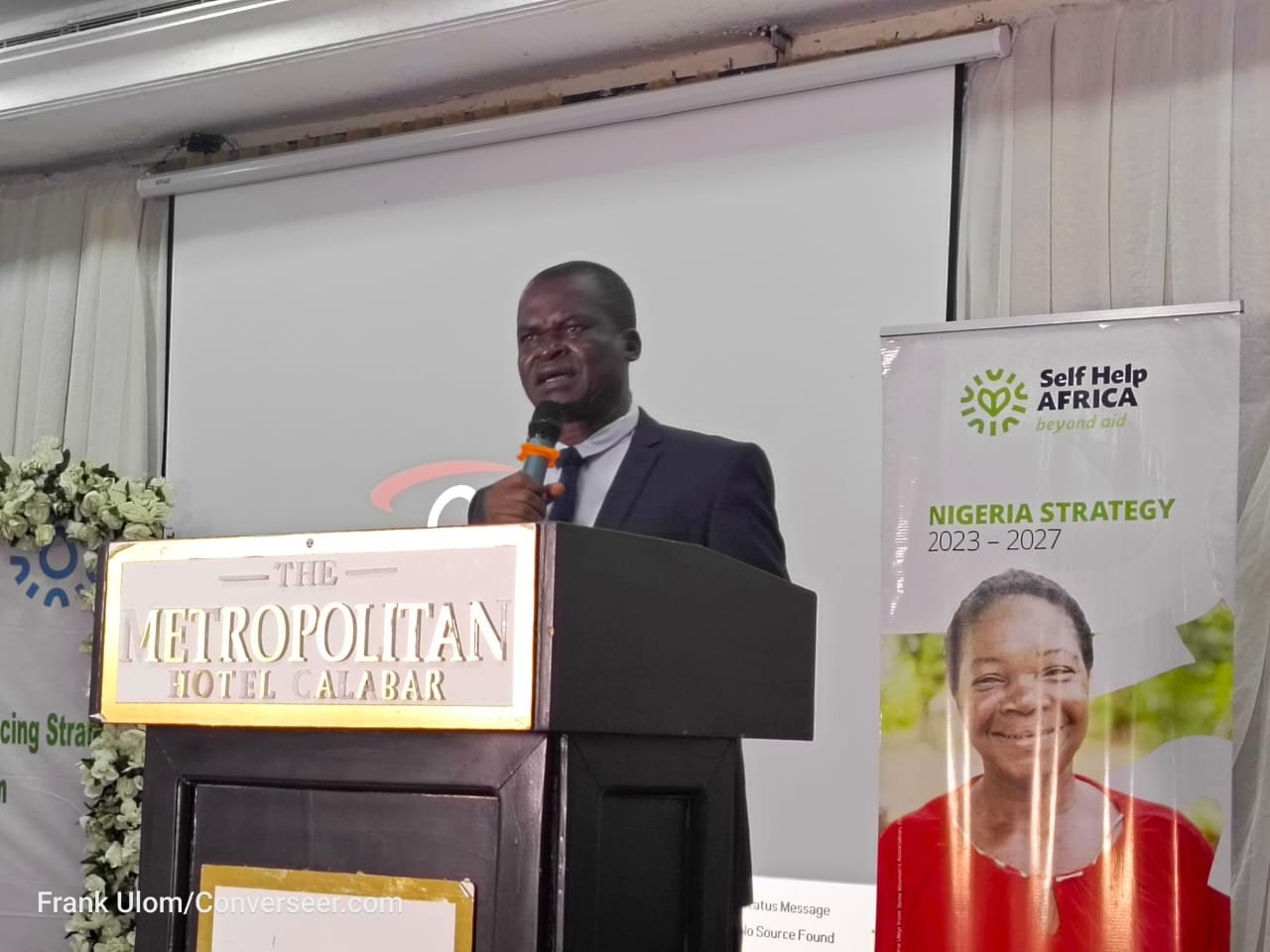
Representing Governor Bassey Otu at the event, the Secretary to the State Government, Prof. Anthony Owan-Enoh, said the administration’s development agenda was designed to benefit both urban and rural communities across the state.
According to him, the WASH programme directly addresses the needs of rural dwellers and reflects the government’s commitment to inclusive development.
“When he began with his philosophy of people’s first agenda, those ideas did not anchor only on people in the urban areas of Calabar, Ikom, Ogoja and Obudu. Everybody, both urban and rural, were part of his dream for a better Cross River State,” he said.
He described the launch of the four documents as strategic and important, stressing that access to hygiene and good health must extend to rural communities.
Owan-Enoh said the government recognised that development should not be urban-centred alone, adding that rural populations must be educated and included in efforts to improve sanitation and hygiene practices.
Speaking on open defecation, he noted that the practice remained more prevalent in rural areas where some people still viewed it as cultural or a normal way of life.
“Open defecation is actually a problem, not in the urban areas, but in the rural areas. To some people, it is a matter of culture. To some, it is a way of life. But we believe that with education, we simply tell them what is bad about that,” he stated.
He emphasised that the government’s objective was not merely to launch policy documents but to ensure practical implementation through sustained sensitisation campaigns and collaboration with local government authorities.
“This is not simply an academic exercise. It is not merely coming here to launch a document and probably after that we go back. We are here to start a journey,” he said.
The SSG added that the state government would work with grassroots leaders, communities and stakeholders to ensure residents understood the importance of improved sanitation and hygiene practices.
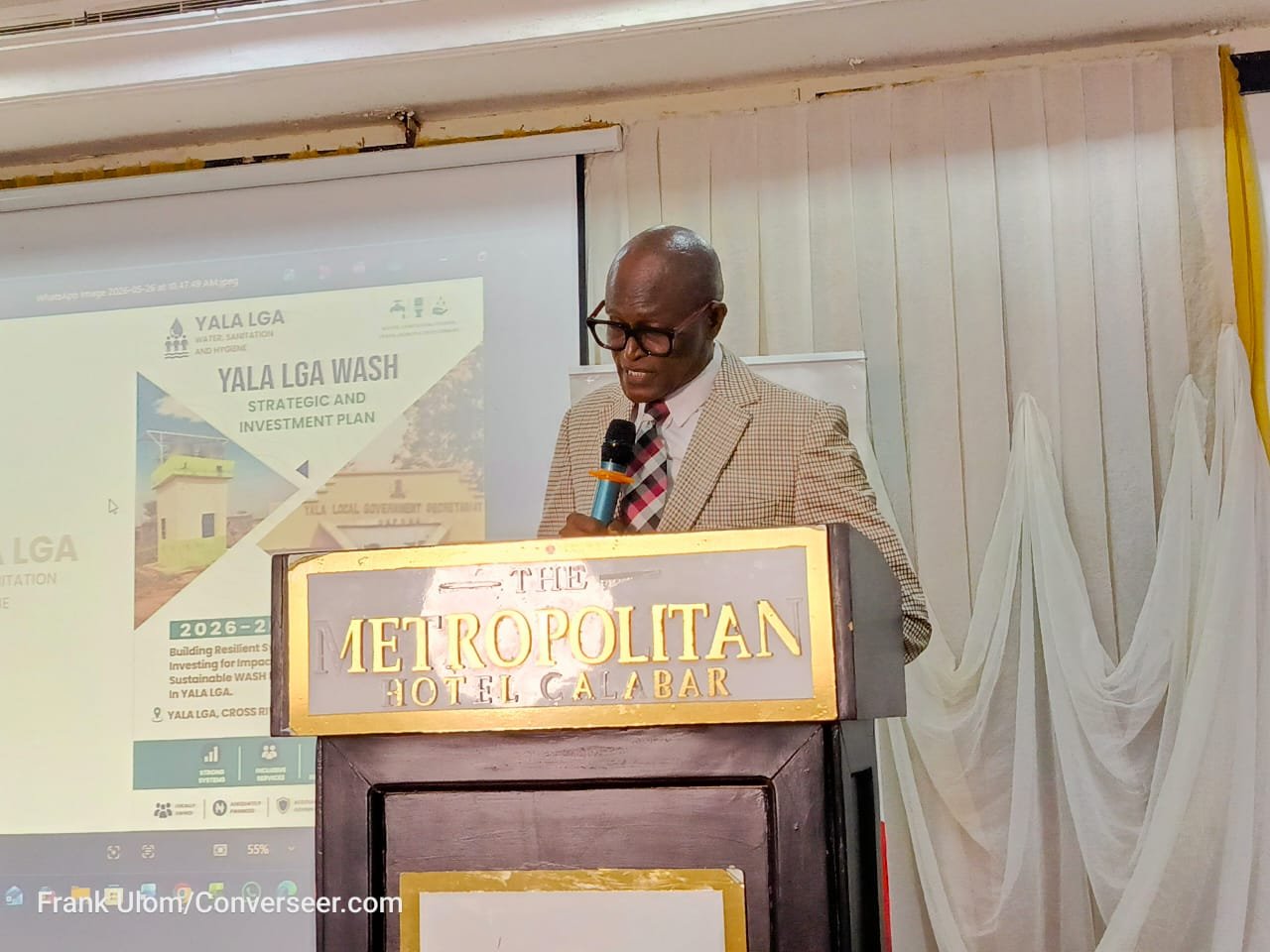
Earlier in his welcome address, the Commissioner for Water Resources and Sanitation, Bassey Mensah, described the event as a major milestone in the state’s WASH sector reforms.
Mensah said the four documents would shape the future of water, sanitation and hygiene service delivery in Cross River State.
He explained that the WASH Financing Strategy for small towns and rural communities was designed to provide innovative approaches for mobilising resources, strengthening investments and ensuring underserved communities were not excluded from access to sanitation and water services.
According to him, the Yala LGA WASH Strategic Plan would serve as a model for localised planning and targeted interventions, while the Open Defecation Prohibition Law demonstrated the government’s commitment to institutionalising sanitation standards and protecting public health.
“The future we seek, a Cross River State where every home has access to safe water, every community enjoys decent sanitation, every school has functional hygiene facilities and every citizen lives with dignity and good health, requires partnerships, as government alone cannot achieve these aspirations,” he said.
Mensah noted that the Basic Sanitation Access Roadmap and the Open Defecation Roadmap would provide a pathway towards achieving an open defecation-free Cross River State.
He called on traditional rulers, policymakers, development partners, women groups, youths, civil society organisations and community leaders to support the implementation of the initiatives.
“Above all, we need every citizen to understand that sanitation is everybody’s business,” he added.
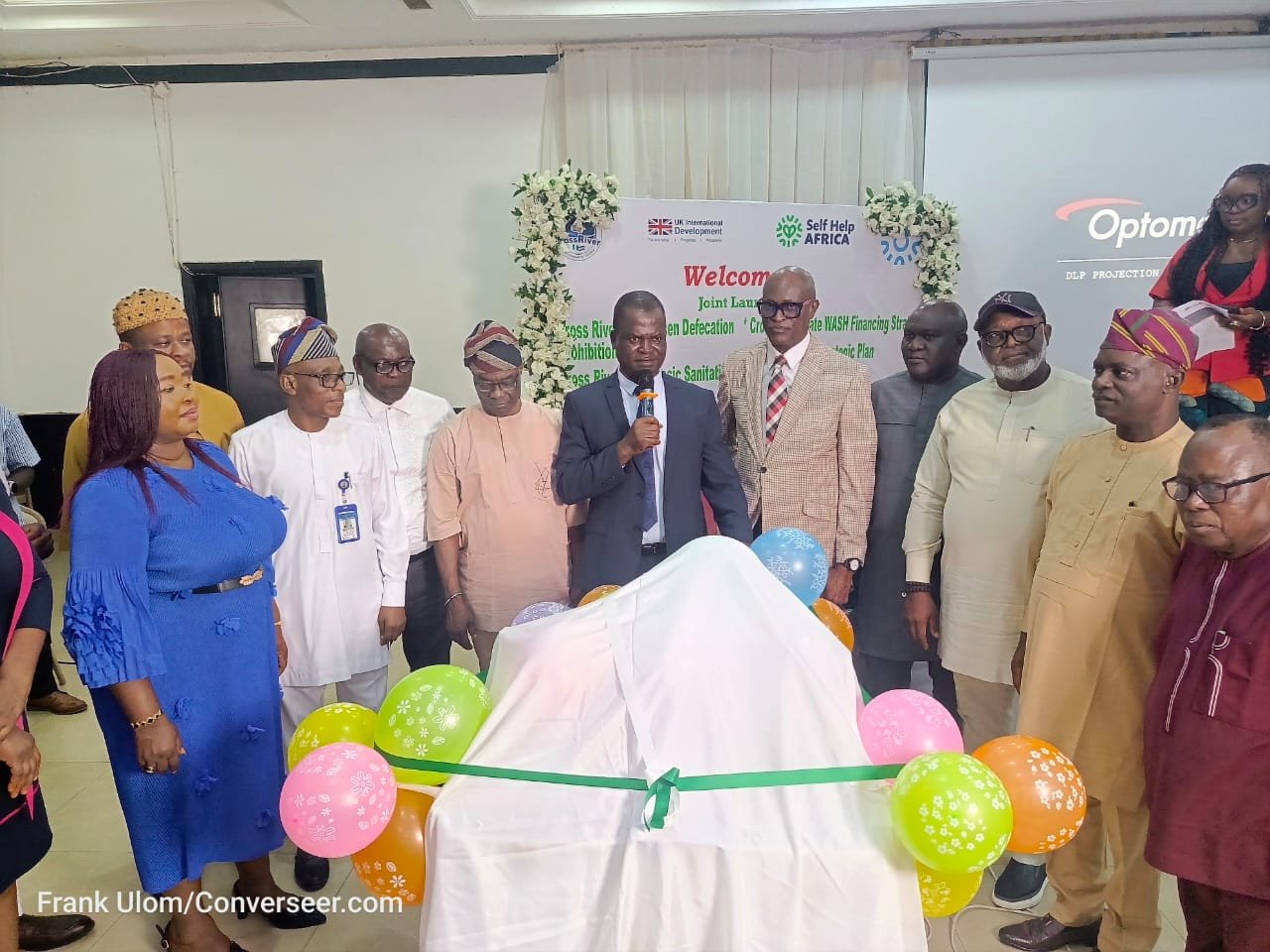
Speaking on behalf of the Country Director of Self Help Africa, Joy Aderele, Elisha Maida said the documents represented a significant milestone in efforts to strengthen sustainable and accountable WASH service delivery in the state.
He explained that the reform documents were developed under the WASH Systems for Health (WS4H) programme through extensive consultations involving government institutions, development partners, civil society organisations, private sector actors and community representatives.
According to him, the initiative built on previous reforms in the sector, including the enactment of the Cross River State Water Law 2025 and the launch of a revised State WASH Policy.
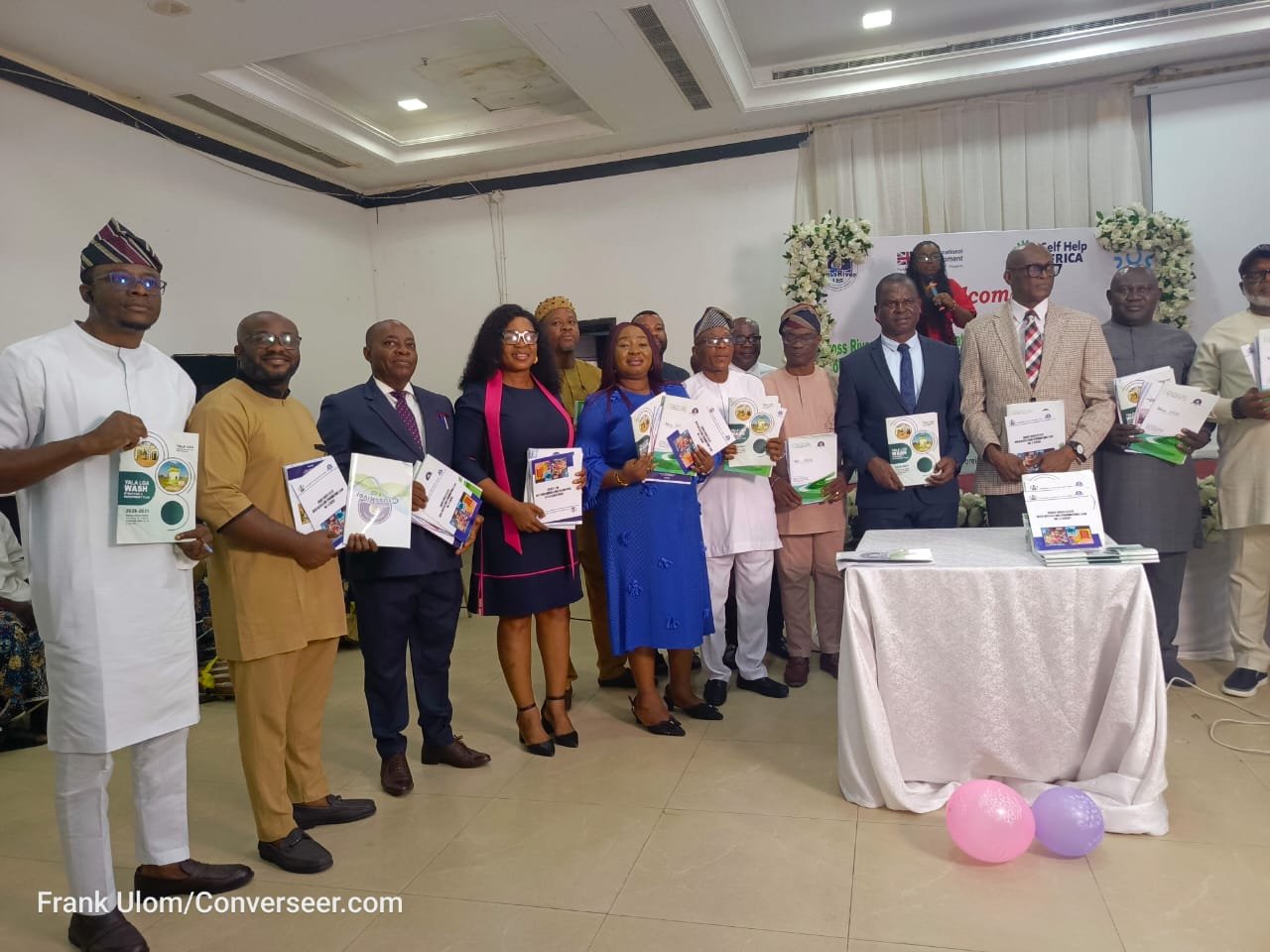
“These documents provide a comprehensive framework for improving sanitation governance, increasing financing for the sector, supporting evidence-based planning and strengthening implementation at both state and local government levels,” he said.
Maida stated that the reforms were expected to contribute significantly towards ending open defecation and improving public health outcomes across communities in the state.
He added that the collaborative process demonstrated the importance of partnership and shared ownership in strengthening the WASH sector.
“The development of these strategic WASH documents reflects the power of coordination, partnership and shared ownership in strengthening the WASH sector,” he said.
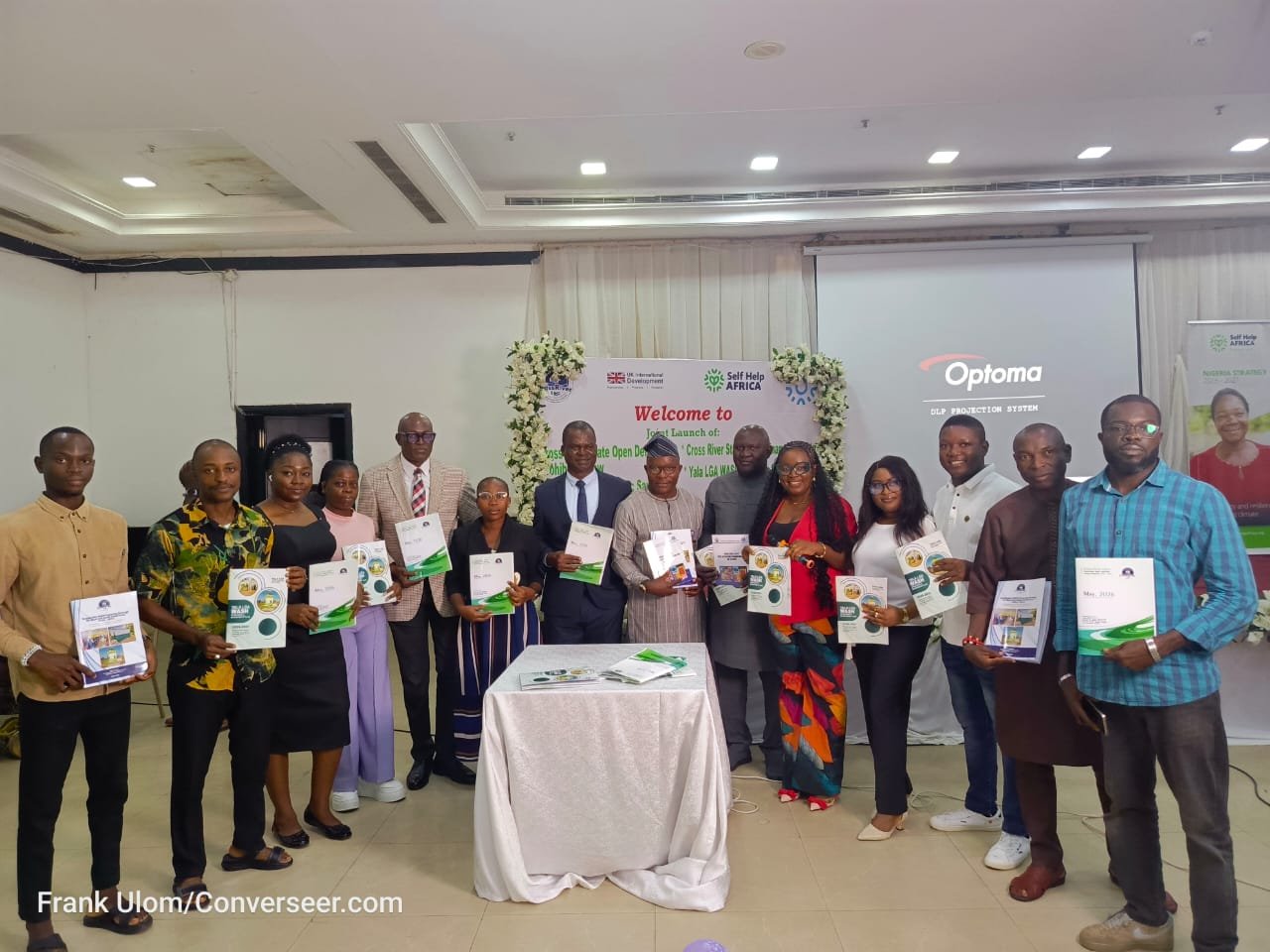
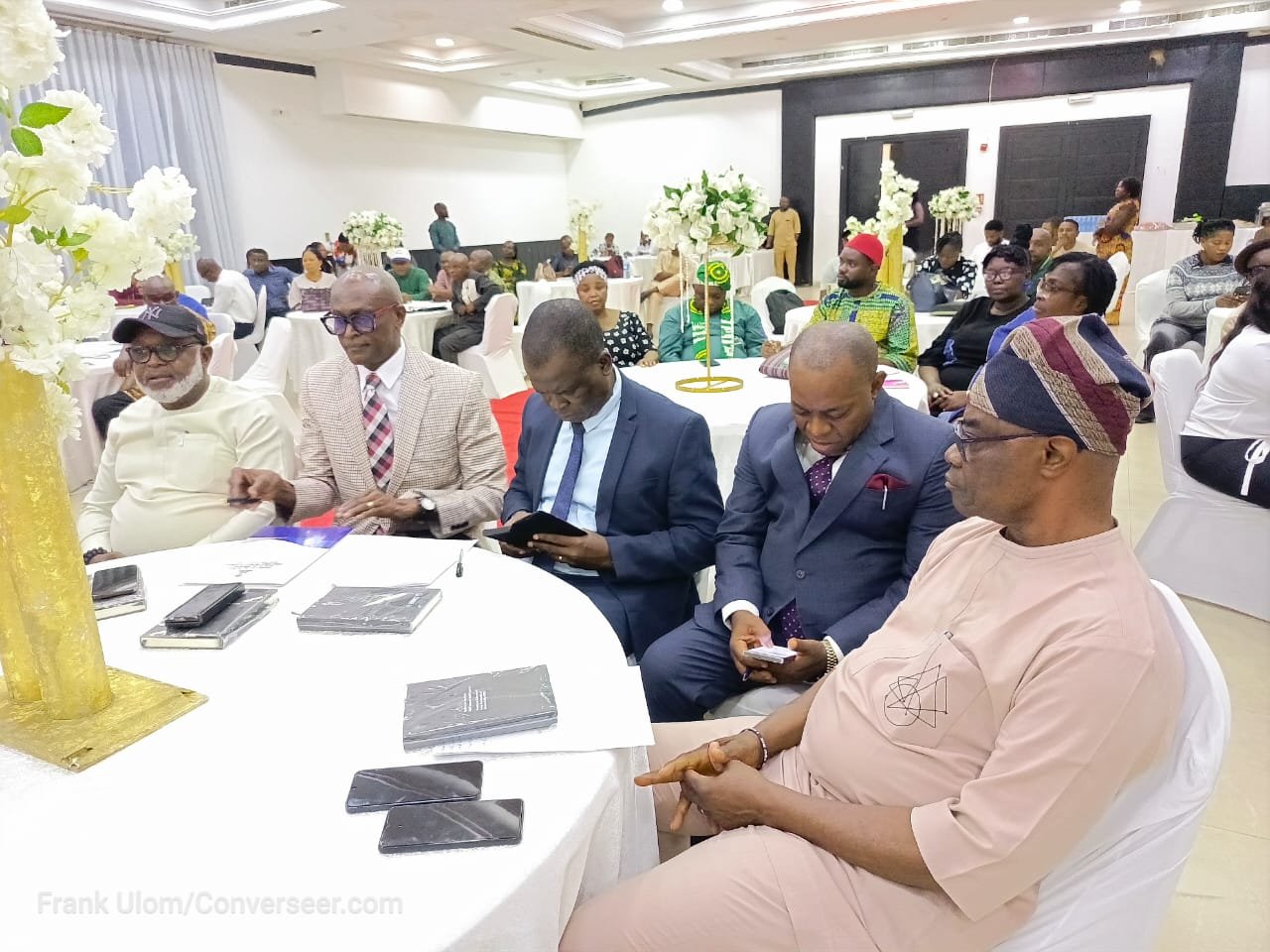
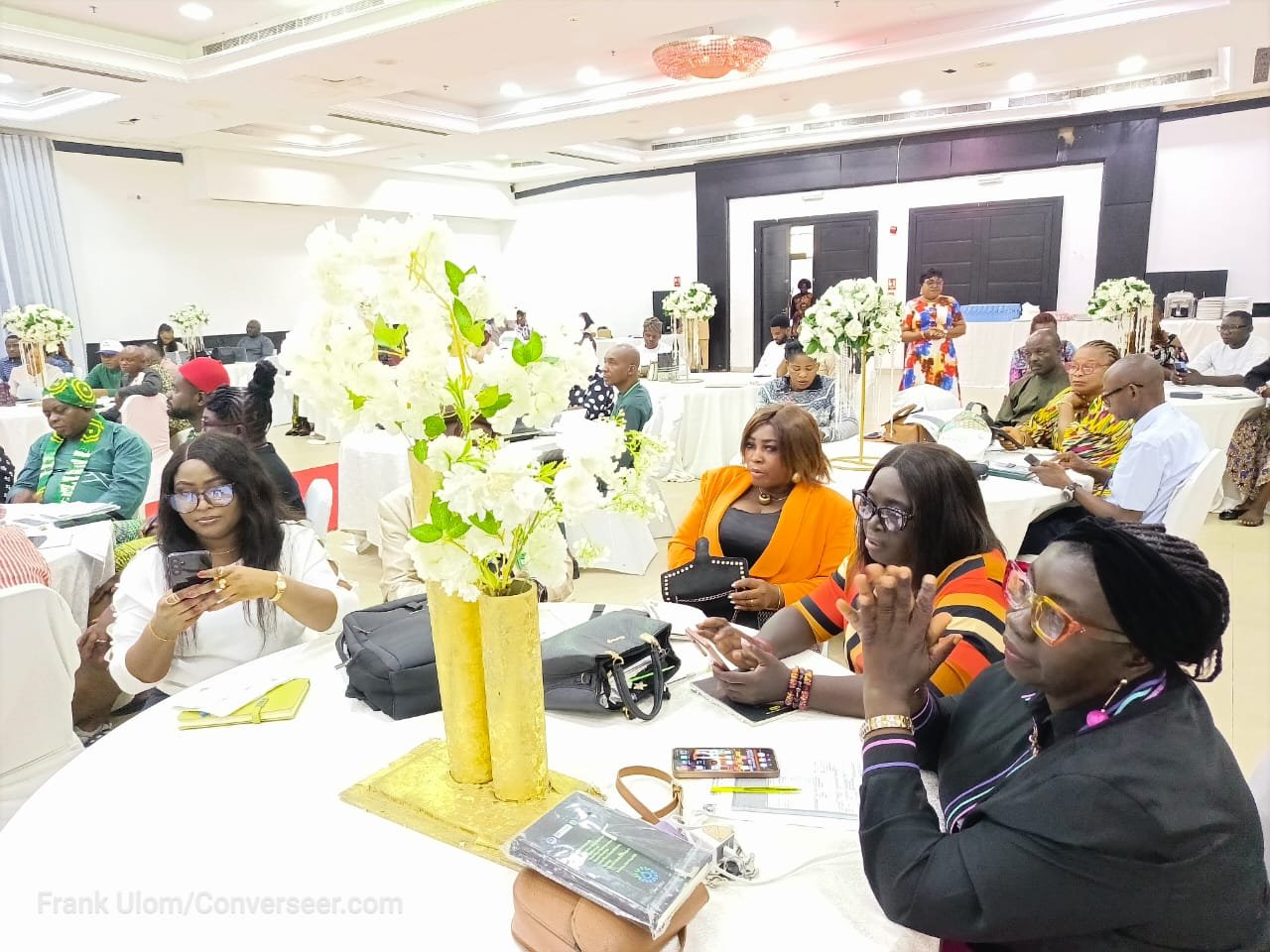
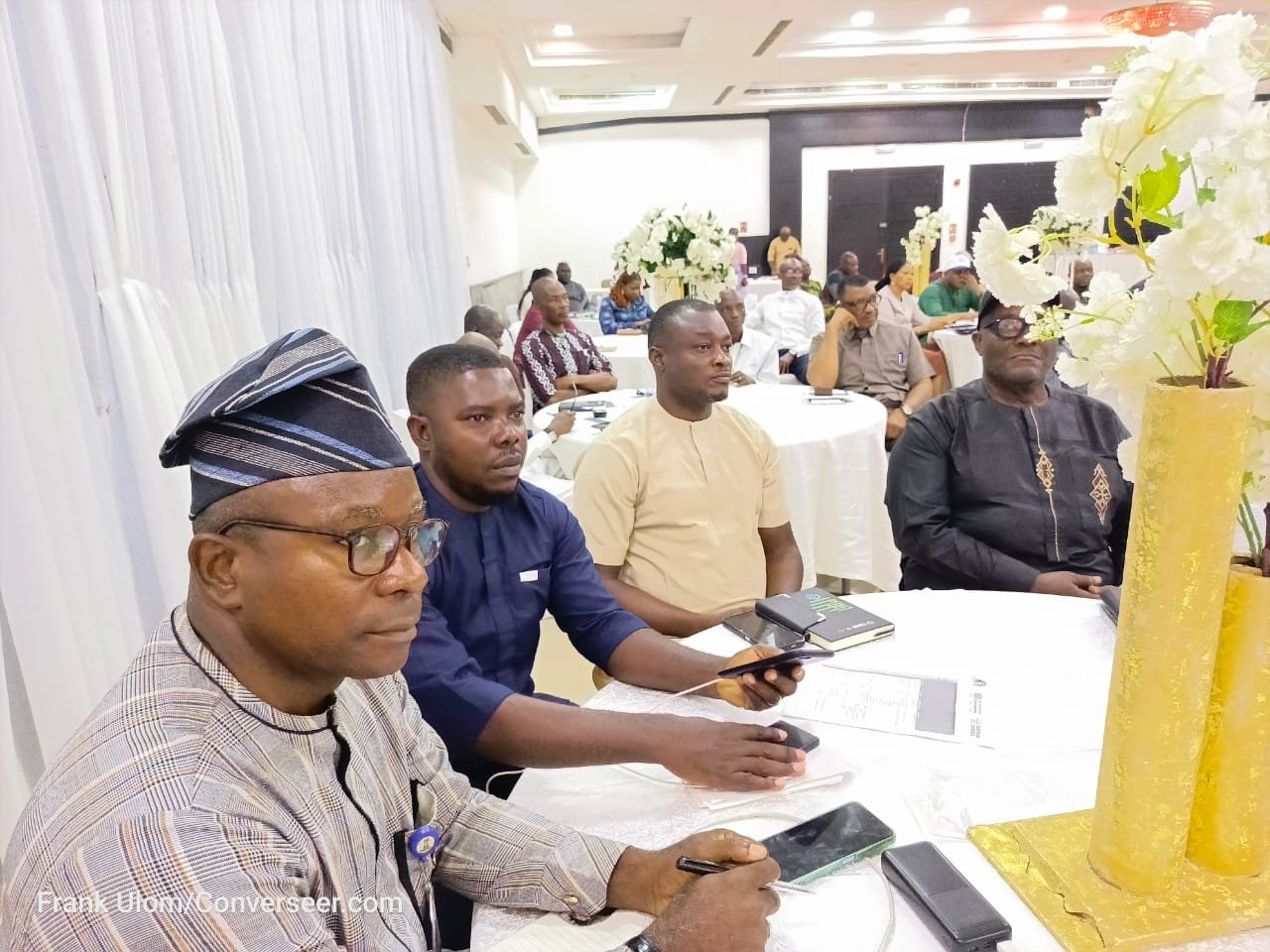
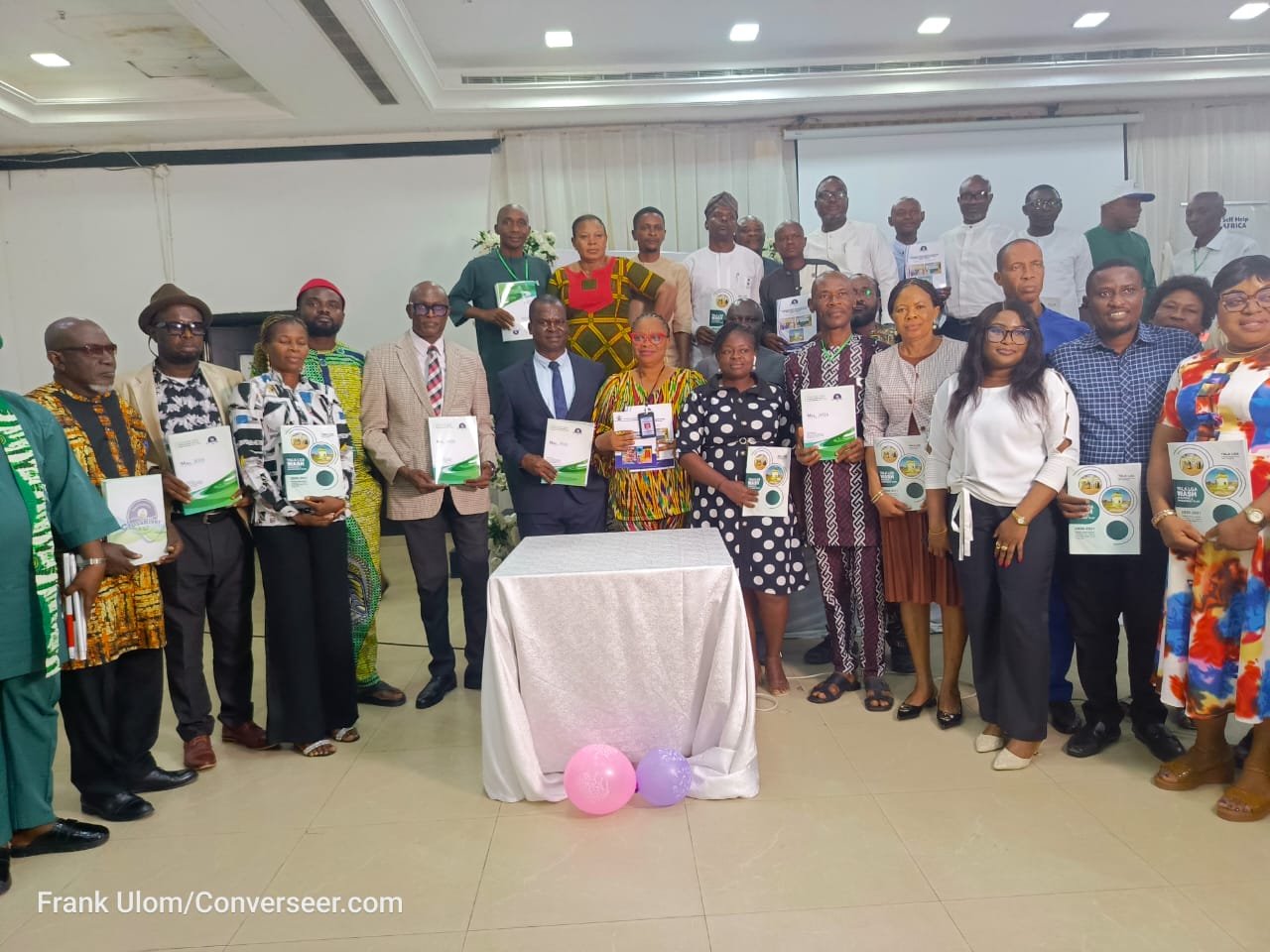
Converseer reports that the launch event attracted senior government officials, development partners, civil society organisations, traditional rulers, donor agencies, local government leaders, private sector actors, community representatives and stakeholders in the WASH sector, including WASH Media Network, NEWSAN, RUWATSSA among others.