Residents of communities located around the forests where terrorists operate have been supplying the criminals with food, medicines, clothes, fuel and motorcycles at exorbitant prices, helping them sustain their operations from their hideouts, SaharaReporters has learnt.
The revelation was contained in accounts given by some of the women and children abducted from Woro community in Kaiama Local Government Area of Kwara State and recently released after spending months in terrorist captivity.
A relative of two of the freed victims, who spoke exclusively with SaharaReporters, said his aunt and sister recounted how the terrorists depended heavily on supplies brought to them by people living in communities close to the forests.
According to him, the supplies went beyond food and medicine, with the terrorists allegedly able to obtain clothes, fuel and motorcycles through local networks.
“My aunt and my sister told us that the terrorists were being supplied by people living in communities around the forest,” the relative told SaharaReporters.
“They were taking food, medicine and clothes to them and selling them at very high prices. The terrorists were buying because they needed these things to survive.”
He said the regular availability of supplies from surrounding communities was one of the reasons the terrorists were able to maintain their operations from the forest despite the difficult terrain.
“They depend on these people for what they eat and other things they need. That is how they can remain in the forest without running out of food,” he said.
The relative further alleged that some members of the terrorist groups occasionally came out of the forest to purchase goods from local markets.
He said some traders allegedly knew the identities of the buyers but continued doing business with them.
“They also told us that some of these terrorists come to the market to buy things. The people selling to them know that they are terrorists, but they still sell to them,” he said.
“They frequently buy motorcycles. They also have people supplying them fuel and taking it into the bush.”
According to the source, the alleged supply chain provides the terrorists with the logistical support required to move around, feed their members and maintain their presence in the forests.
“It is not only food. They get fuel, motorcycles, medicine, clothes and other things through these people. They are paying high prices for them, but they can afford it because they need those things to continue operating,” he added.
The latest revelation comes amid growing questions over the support networks sustaining terrorist groups operating in forests across parts of North-Central Nigeria.
The accounts also raise concerns about how terrorists are able to maintain access to essential supplies despite security operations and the prolonged presence of victims in their custody.
The development also comes amid controversy over the circumstances surrounding the release of the Woro abductees.
A relative of some of the freed victims had earlier told SaharaReporters that two members of his family claimed to have witnessed a helicopter delivering money to the terrorists shortly before the abductees were released.
“When they heard that the government was saying they were rescued and that no money was paid, they were shocked because they saw what happened,” the relative said.
“They said a helicopter came while they were in captivity and money was brought to the kidnappers. They saw it, but they were not allowed to touch the money.”
The alleged delivery reportedly occurred about four or five days before the victims were released.
The February attack on Woro and neighbouring Nuku communities in Kaiama Local Government Area saw terrorists abduct 176 people, mostly women and children.
When the victims were eventually released, 163 were officially handed over to the authorities and described as rescued.
The Nigerian Government said the release formed part of the country’s largest single-day hostage rescue operation involving more than 300 abducted Nigerians.
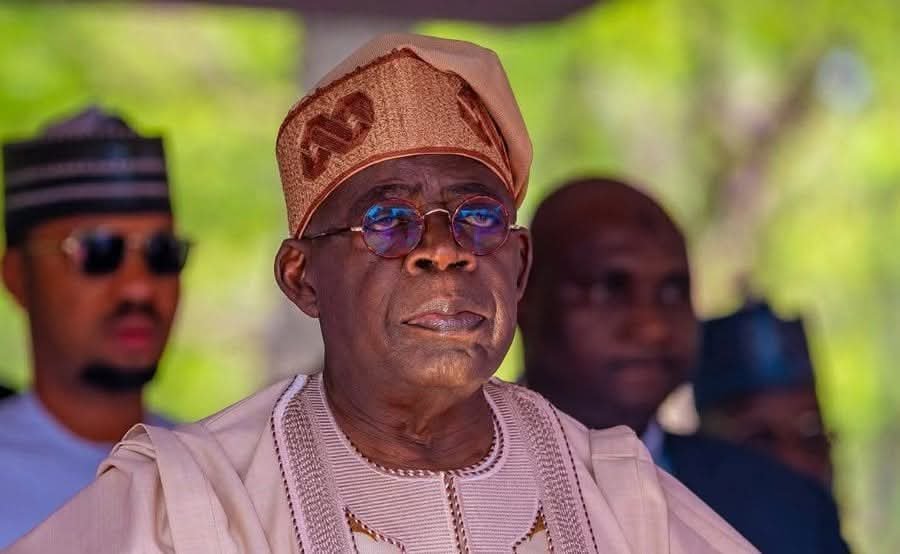
President Bola Tinubu hailed the operation as a major achievement by the nation’s security forces, while the government maintained that no ransom was paid for the victims’ release.
However, accounts from some of the freed abductees and their relatives have continued to raise questions about what happened during their captivity and the circumstances surrounding their release.
The survivors also reportedly told their families that 13 abductees died while in captivity.
(SaharaReporters)