Converseer
No Result
View All Result
  • Home
  • Politics
  • Jobs
  • Metro
  • Sports
  • Tech
  • Health
  • News
    • Business
    • Education
    • Entertainment
    • Lifestyle
    • Science & Nature
    • Tourism
  • Trends
PRICING
SUBSCRIBE
  • Home
  • Politics
  • Jobs
  • Metro
  • Sports
  • Tech
  • Health
  • News
    • Business
    • Education
    • Entertainment
    • Lifestyle
    • Science & Nature
    • Tourism
  • Trends
No Result
View All Result
Converseer
No Result
View All Result
  • Home
  • Politics
  • Jobs
  • Metro
  • Sports
  • Tech
  • Health
  • News
  • Trends

Home » Science & Nature » Hypoxia Hack: Low oxygen levels slow mammal limb regeneration – Study

Hypoxia Hack: Low oxygen levels slow mammal limb regeneration – Study

April 10, 2026
in Science & Nature
Reading Time: 1 min read
Hypoxia Hack: Low oxygen levels slow mammal limb regeneration – Study

By Frank Ulom

Port Harcourt (Converseer) — In a discovery that blurs the line between human biology and amphibian superpowers, scientists have found that depriving mammalian cells of oxygen can awaken dormant abilities to regenerate lost limbs.

Published April 8 in Science, the study by Can Aztekin and colleagues at the Friedrich Miescher Laboratory of the Max Planck Society reveals oxygen as the gatekeeper dividing scar-forming mammals from limb-regenerating salamanders and frogs. By culturing amputated mouse embryonic limbs in low-oxygen conditions that mimic aquatic habitats, researchers triggered wound closure, cell migration, and metabolic shifts eerily similar to those observed in regenerating frog tadpoles.

The key player? HIF1A, a protein that senses low oxygen (hypoxia) and flips genetic switches for tissue repair. Stabilising HIF1A in mouse cells mimicked these effects even in normal air, while frogs maintained robust regeneration regardless of oxygen levels due to naturally dampened oxygen-sensing genes.

“This isn’t just about frogs — our results show regenerative programs can be triggered in mammalian tissues,” Aztekin said. “It outlines a testable path toward promoting limb regeneration in adult mammals.”

The research analysed axolotls and human data, confirming that heightened oxygen sensitivity in mammals promotes scarring over regrowth. While full human limb regrowth remains distant, the findings open doors to therapies targeting hypoxia responses for wound healing, organ repair, and beyond.

Experts hail it as a paradigm shift. “It reframes regeneration as a tunable process, not a fixed species trait,” said one biologist not involved in the study.


RELATED NEWS

Nigeria weather forecast for April 12

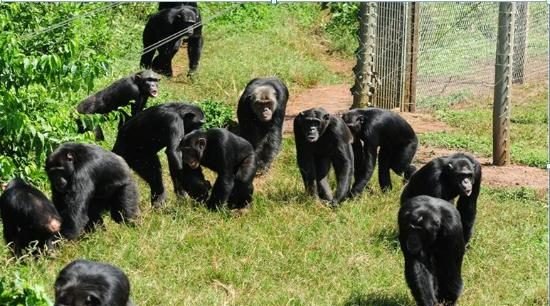
Chimpanzee Civil War Erupts in Uganda: Largest group splits, sparking deadly conflict

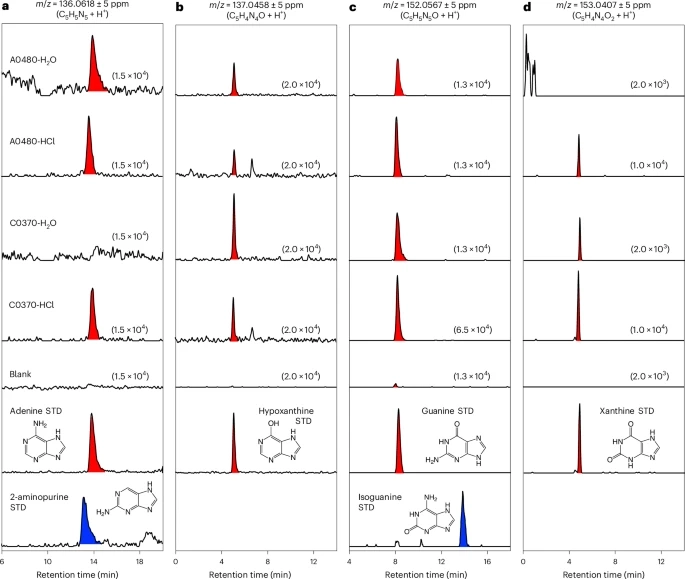
Scientists discover DNA and RNA bases on asteroid Ryugu

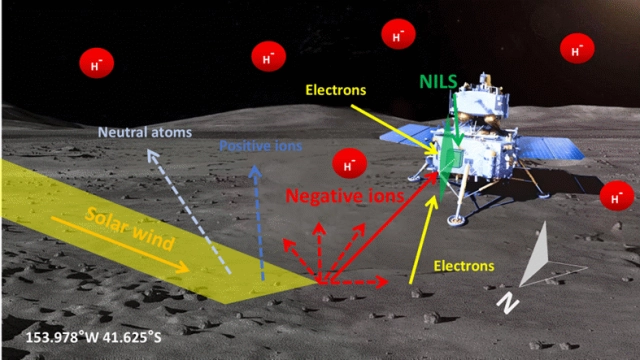
Chang’e-6 detects solar wind negative ions on moon for first time

Tags: World
Next Post
Netflix raising prices after losing bid for Warner Bros. Discovery

Netflix raising prices after losing bid for Warner Bros. Discovery

Iran places naval mines after partially opening Strait of Hormuz

Iran places naval mines after partially opening Strait of Hormuz

Topics

  • Latest News
  • Nigeria
  • Africa
  • Europe
  • Asia
  • Americas
  • United States

Social Media

  • WhatsApp
  • Facebook
  • X (Twitter)
  • YouTube
  • LinkedIn

Special Topics

  • Column
  • Bassey Otu
  • Bola Tinubu
  • Special Reports
  • Profile & Biography
  • Opinion
  • Latest News
  • About
  • Advertise
  • Contact
  • Daily Newsletter
  • Privacy Policy
  • Terms Of Use
  • Write For Us

© 2026 Converseer.

No Result
View All Result
  • About
  • Advertise
  • Contact
  • Daily Newsletter
  • Privacy Policy
  • Terms Of Use
  • Write For Us

© 2026 Converseer.