By John Offiong
In every democracy, criticism is not only inevitable but also necessary. Every responsible government requires the voices of critics to identify shortcomings, improve policies, and ensure that governance remains responsive to the aspirations of the people. Constructive criticism strengthens democracy because it keeps leaders accountable.
However, there is a clear distinction between constructive criticism and a deliberate campaign of destruction. There is criticism born out of patriotism, and there is criticism driven by bitterness, political vendetta, and what many now describe as the “Bring Him Down Syndrome.”
It is this second category that concerns us.
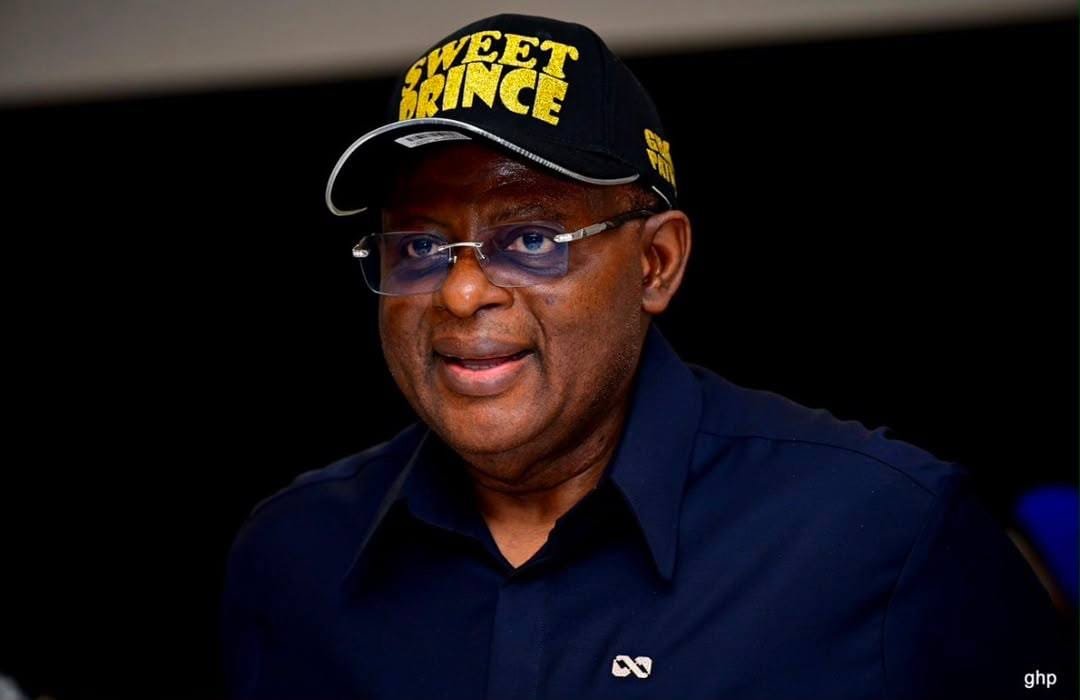
In recent times, there has been an orchestrated campaign of attacks against the Governor of Cross River State, Senator Prince Bassey Edet Otu, his wife, Bishop Eyoanwan Otu, and the Chief of Staff to the Governor, Hon. Emmanuel Ironbar. While no public office holder should be shielded from scrutiny, it is unfortunate when criticism abandons facts and becomes an instrument of personal destruction.
The Governor inherited one of the most difficult administrations in the history of Cross River State. He met a government battling severe financial constraints, a civil service system in decline, decaying infrastructure, neglected public assets, mounting debts, and an economy that had virtually lost its competitive edge.
Yet, in less than three years, the story has continued to change.
One of the most remarkable achievements of this administration is the restoration of peace and security across Cross River State.
There was a time when residents could hardly sleep with both eyes closed. Cult clashes, gangsterism, armed robbery, kidnapping and violent crimes had become almost a daily occurrence. Businesses were relocating, investors were staying away, and many citizens genuinely feared for their safety.
The EndSARS protests represented perhaps the lowest point in the state’s security history. Public and private properties worth billions of naira were destroyed.
We recall that at the height of that crisis, the then-Governor left the state during the night while the unrest was still ongoing, leaving what we considered to be a leadership vacuum at one of the most critical moments in Cross River’s history. As members of DACRISS Community Development Initiatives and other concerned Cross River stakeholders, we immediately mobilised ourselves in Abuja, reaching out to respected elder statesmen and influential Cross River leaders, including Senator Liyel Imoke, Senator Gershom Bassey, Senator Bassey Otu (before he was elected governor), Chief Hilliard Eta, Chief Ndidem Egba and other prominent sons and daughters of the state, appealing to them to intervene and help restore calm back home.
Today, Cross River tells a different story.
Kidnapping has reduced significantly. Criminal gangs have been dismantled in many communities. Peace has returned across most parts of the state. Even armed groups operating within the Bakassi axis embraced the state’s peace initiative by surrendering weapons. Investors are returning because confidence in the security of lives and property has improved considerably.
These achievements were not accidental. They are products of deliberate leadership, effective collaboration with security agencies, and a government committed to restoring law and order.
The transformation is equally visible across critical sectors of the economy.
Governor Otu inherited only two aircraft under the Cally Air initiative. Today, that fleet has increased to six aircraft, significantly improving air connectivity into Cross River State. At present, Calabar receives multiple commercial flights daily, making the state more accessible than at any other period in recent history.
There was a time when passengers could be stranded in Calabar for three or four days because flights were cancelled with little or no alternatives. That frustrating experience has largely become history.
Beyond aviation, funding has been secured for two of Cross River’s biggest economic dreams—the Bakassi Deep Seaport and the Superhighway. These projects are expected to fundamentally transform the state’s economy by opening new opportunities for maritime trade, logistics, manufacturing, agriculture and foreign investment.
Infrastructure development has equally received unprecedented attention.
Across the state, over one hundred kilometres of roads have either been constructed or rehabilitated, connecting rural and urban communities while easing transportation.
The Governor’s Office, which had deteriorated into an embarrassing condition with leaking roofs and dilapidated facilities, has been remodelled into a befitting seat of government.
The abandoned State Library, which had become a haven for reptiles and hoodlums, is today being transformed into a modern knowledge and innovation centre for young people.
Urban renewal efforts have continued across Calabar, while strategic projects like the Governor’s Lodge in Ogoja demonstrate a commitment to bringing governance closer to every part of Cross River State.
The health sector has equally witnessed remarkable improvements.
The Infectious Disease Hospital has been upgraded into a General Hospital, while construction of another modern General Hospital is ongoing in Ikom. Across the health sector, investments are gradually strengthening healthcare delivery and improving access to quality medical services.
Agriculture has also received renewed attention. Young people are increasingly embracing farming as the government continues to create opportunities for increased food production, job creation and rural development.
Environmental sanitation has also improved remarkably.
Those who lived in Calabar a few years ago will remember when virtually every major street had overflowing refuse dumps that remained unattended for several days, leaving the city with offensive odours and diminishing its reputation as Nigeria’s tourism capital.
Today, Calabar is cleaner.
The city has regained much of its beauty, restoring confidence among residents, tourists and investors alike.
Cross River State has also re-emerged as one of Nigeria’s most attractive destinations for tourism, holidays and business.
The vibrant Christmas season witnessed in recent years is evidence of renewed economic activity and growing public confidence. Hotels are busier. Businesses are thriving. Investors are returning. Tourists are once again choosing Cross River as their preferred destination.
This resurgence did not happen by accident.
It is the product of deliberate planning, focused leadership and a government determined to rebuild Cross River State.
This is not to suggest that the administration is perfect.
No government is.
There remain challenges that require attention, and constructive criticism should always be encouraged.
However, it is deeply unfortunate that some of the loudest voices attempting to discredit this administration today either remained silent during the years of decline or actively served in governments under which many of these challenges became entrenched.
Fairness demands consistency.
If they could not speak with equal courage when Cross River was declining, they should at least acknowledge genuine progress when it occurs.
The attacks against the First Lady, Bishop Eyoanwan Otu, are equally disappointing.
Her work has remained largely humanitarian—supporting women, children, vulnerable families and disadvantaged communities across the state.
From Obanliku to Bakassi, numerous beneficiaries can testify to her interventions in healthcare, women’s empowerment, education and social welfare.
She has stood firmly beside her husband, not merely as a wife but as a compassionate mother and advocate for the less privileged.
Her contributions should be assessed based on impact rather than political sentiment.
Likewise, Hon. Emmanuel Ironbar has demonstrated exceptional capacity as Chief of Staff.
His coordination of government activities, administrative discipline and commitment to the Governor’s vision have contributed immensely to the stability and effectiveness of this administration.
The Ironbar family has long earned respect within Cross River State, and political disagreements should never descend into personal attacks or attempts to tarnish reputations built over decades.
No public official is above criticism, but criticism must remain factual, responsible and fair.
Governor Otu has assembled one of the most competent teams seen in recent years.
Together, they continue to steer Cross River State towards recovery, growth and renewed prosperity.
At this point, what this administration requires is not distraction but support.
Cross River has suffered enough setbacks.
We cannot afford another era where politics becomes more important than development.
It is only those who place personal ambition above the collective interest of Cross River State that would seek to deliberately undermine genuine progress through destructive criticism.
Constructive criticism builds governments.
Destructive criticism destroys societies.
As citizens, we must choose wisely.
History will remember those who stood for truth, fairness and progress—not those who sought to pull down every effort simply because it did not serve their personal or political interests.
Today, Cross River is rising again.
Let us protect that progress.
Let us support what is working.
Let us criticise responsibly.
Above all, let us put Cross River first.
Mr John Offiong is the Chief of Party, DACRISS Community Development Initiatives.