By Frank Ulom
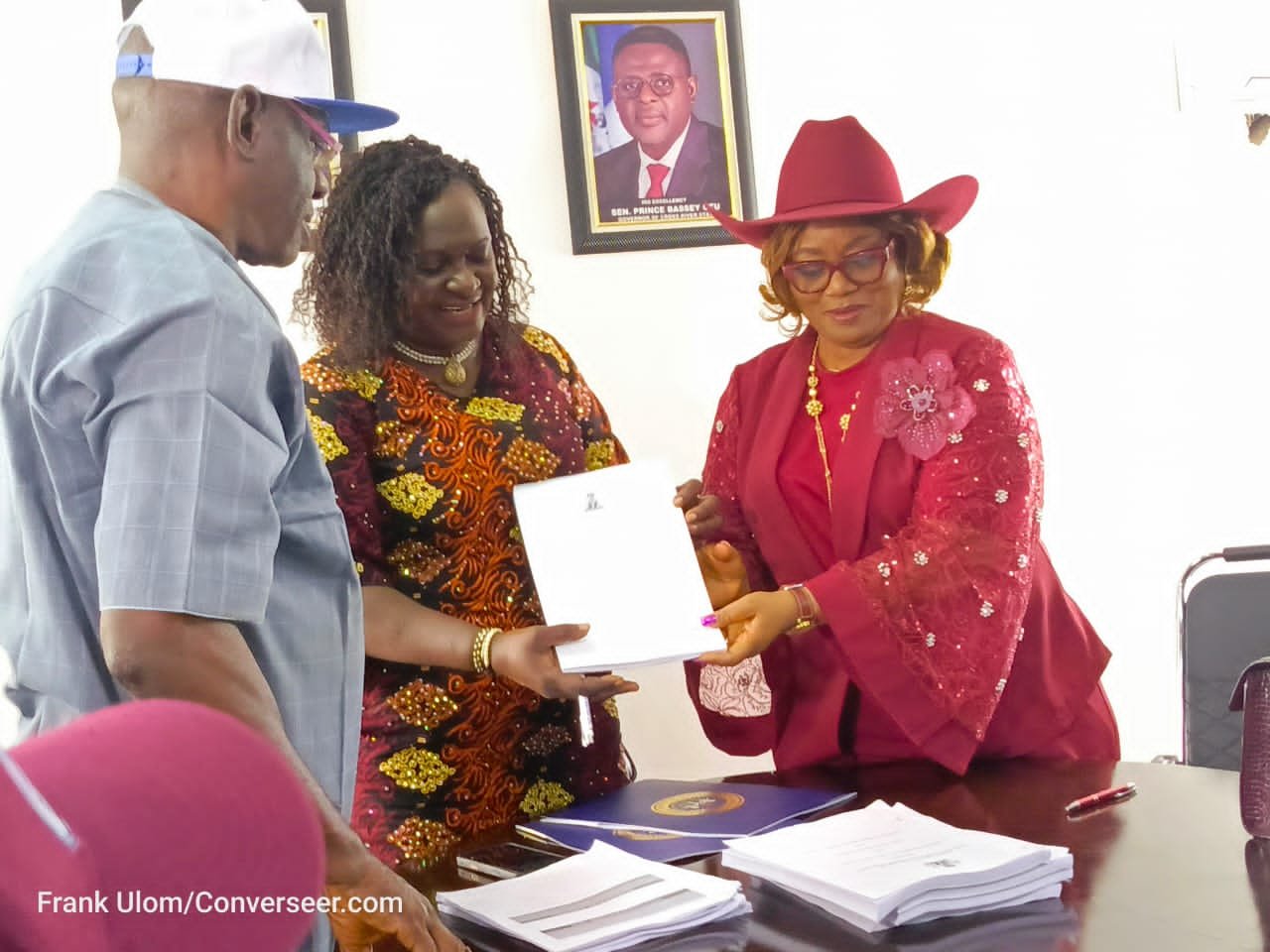
The Cross River State Government has signed a multi-million-dollar Public-Private Partnership (PPP) concession agreement with Eburutu Fishery Development Limited to establish a major fishery development project expected to create jobs, increase government revenue and reduce the cost of fish in the state.
The agreement was signed on Friday, 16 October 2026, at the Ministry of Justice in Calabar, the state capital, under a joint venture involving AMET Industries Limited, the principal private-sector partner, and the Cross River State Government.
The project will be implemented through Eburutu Fishery Development Limited, a Special Purpose Vehicle (SPV) established by the two parties to drive the development and operation of the proposed Eburutu Fishing Terminal and associated fishery facilities.
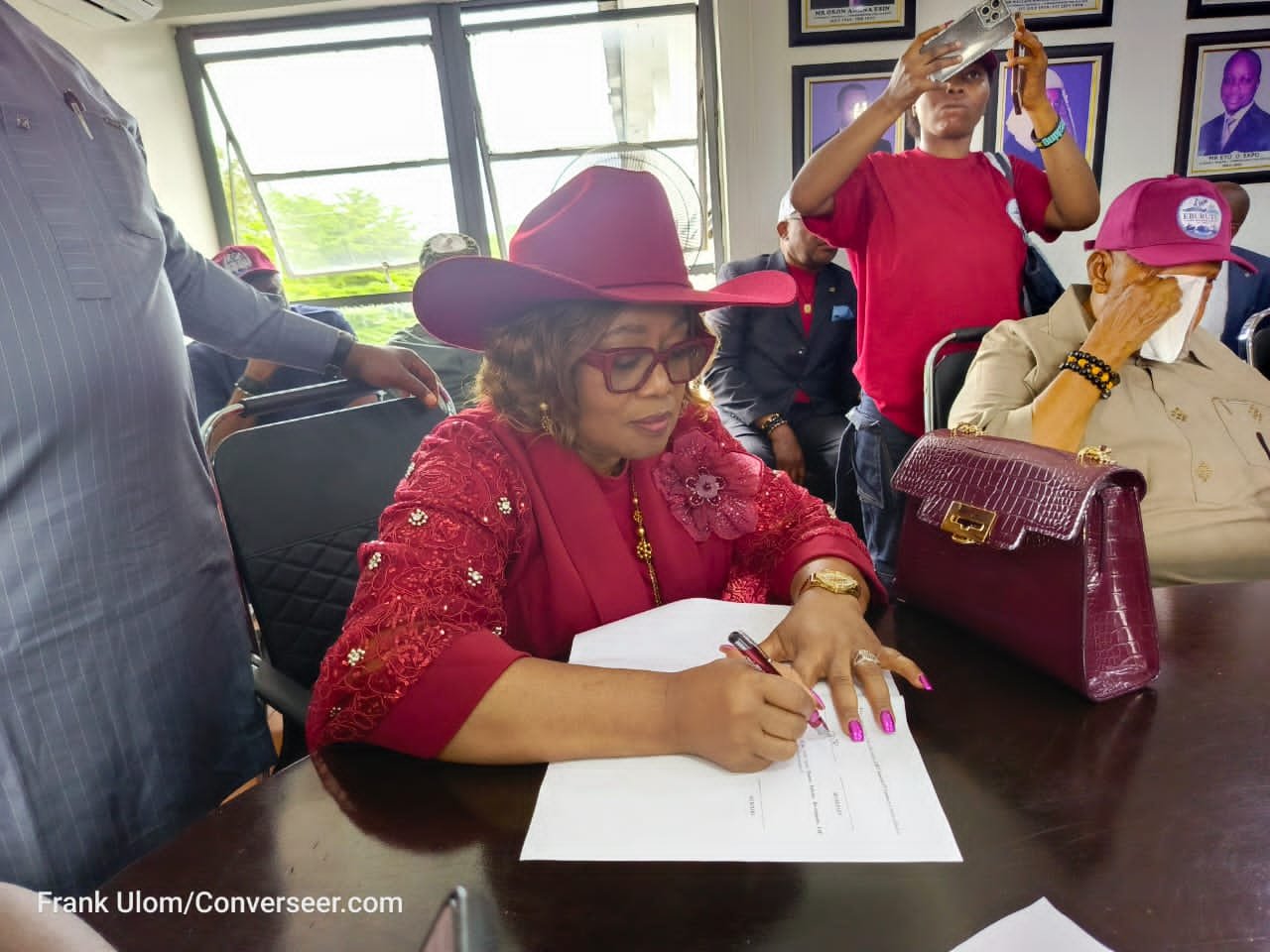
Under the concession arrangement, AMET Industries Limited will provide 100 per cent of the project funding, while the state government will have no financial commitment to the investment, according to Margaret Ovonlen, Managing Director and Chief Executive Officer of Eburutu Fishery Development Limited.
Ovonlen said the initial concession would run for 25 years, with an option for renewal for another 25 years, providing a long-term framework for investment, employment generation and revenue growth.
Explaining the financial structure of the agreement, Ovonlen said AMET Industries Limited would initially receive 60 per cent of the benefits, while the Cross River State Government would receive 40 per cent during the first 25 years.
She said the arrangement would change if the concession were renewed for another 25 years, with the state government receiving 60 per cent and AMET Industries Limited retaining 40 per cent. “We are bringing 100 per cent funding. The state has no financial commitment here. We are bringing 100 per cent funding,” Ovonlen said.
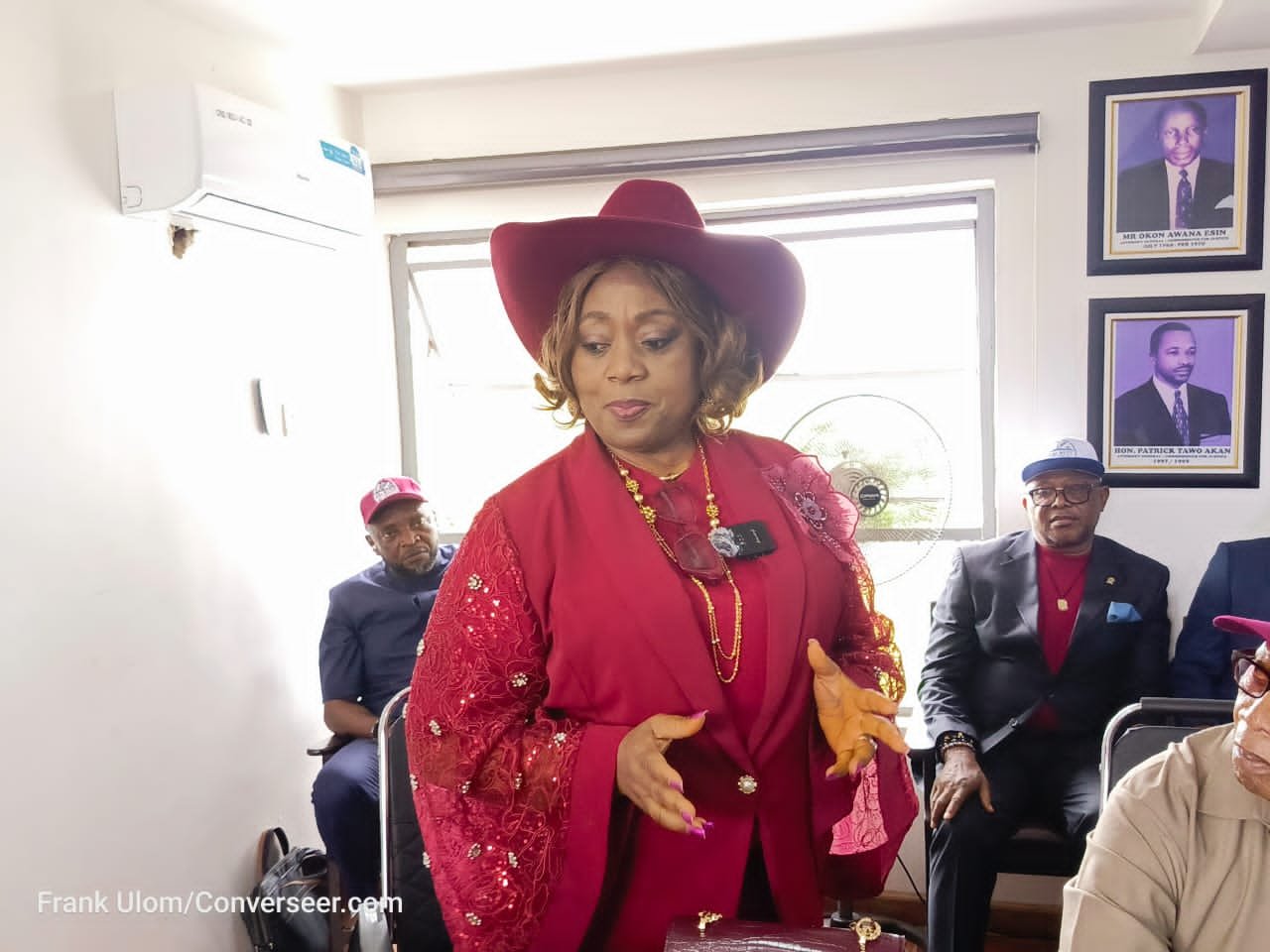
She added that AMET would remain the operator of the project throughout the concession period, even when the revenue-sharing arrangement changed. The agreement establishes a framework through which the state government will participate in the project’s ownership and implementation while benefiting from the private partner’s investment and operational capacity.
Ovonlen described the investment as a personal commitment to the state where she grew up and received her early education. According to her, the idea emerged after she encountered similar projects being developed in other African countries and was encouraged to bring the initiative to Nigeria. “I worked in Nigeria for 33 years. I got retired, but I refused to be tired,” she said.
Ovonlen explained that she subsequently approached Governor Bassey Otu with the proposal and received the support needed to bring the project to the state. “I came home, I brought it home, our able Governor, Senator Prince Bassey Edet Otu, I shared with him, he was very happy,” she said.
She credited the governor’s willingness to support the initiative as a major factor in the agreement’s execution. “If it’s not the governor of the state, it would not have happened. So he is the very reason why we are here today,” Ovonlen said.
She added that the project was intended to deliver long-term benefits to residents, particularly young people, through employment, education and improved access to affordable fish.
Ovonlen said the investment would comprise multiple revenue-generating components, including fish production and marketing, a fish processing plant, a feed mill and a terminal complex that could accommodate other operators. According to her, the terminal would provide facilities for businesses and operators seeking to use the complex, with payments contributing to government revenue.
She said the fish processing plant would also include a feed mill designed to produce fish feed for the Cross River market, creating another source of income while supporting aquaculture activities. The project is expected to create opportunities across fish production, processing, distribution and related businesses.
Ovonlen said the facilities would help establish a more integrated fishery value chain within the state, reducing dependence on fish processed elsewhere before being brought into Cross River for sale.
She also said the investment would seek to make fish more affordable to residents. “You know what it means to buy a packet of ice fish today. Ours is going to be rock bottom cheap,” she said, adding that the initiative would increase government revenue, create employment and improve living standards while providing opportunities for residents to acquire relevant skills.
Ovonlen said the company would recruit workers as the project develops but stressed that employment would be based on merit and commitment. “We will recruit, but the recruitment is going to be for those who merit. We don’t want anybody that will come and will not work,” she said.
She explained that the company would require workers who were prepared to contribute to the project’s objectives and ensure that the investment delivered its intended benefits.
Ovonlen said the long concession period was designed to ensure that the project would remain beneficial beyond the tenure of its founders and current stakeholders. “This is a 25-year concession, renewable another 25 years, which means my great-great-grandchildren will benefit from it. Your great-grandchildren will benefit from it,” she said.
She called on stakeholders and residents to support the initiative to ensure its successful implementation and long-term sustainability.
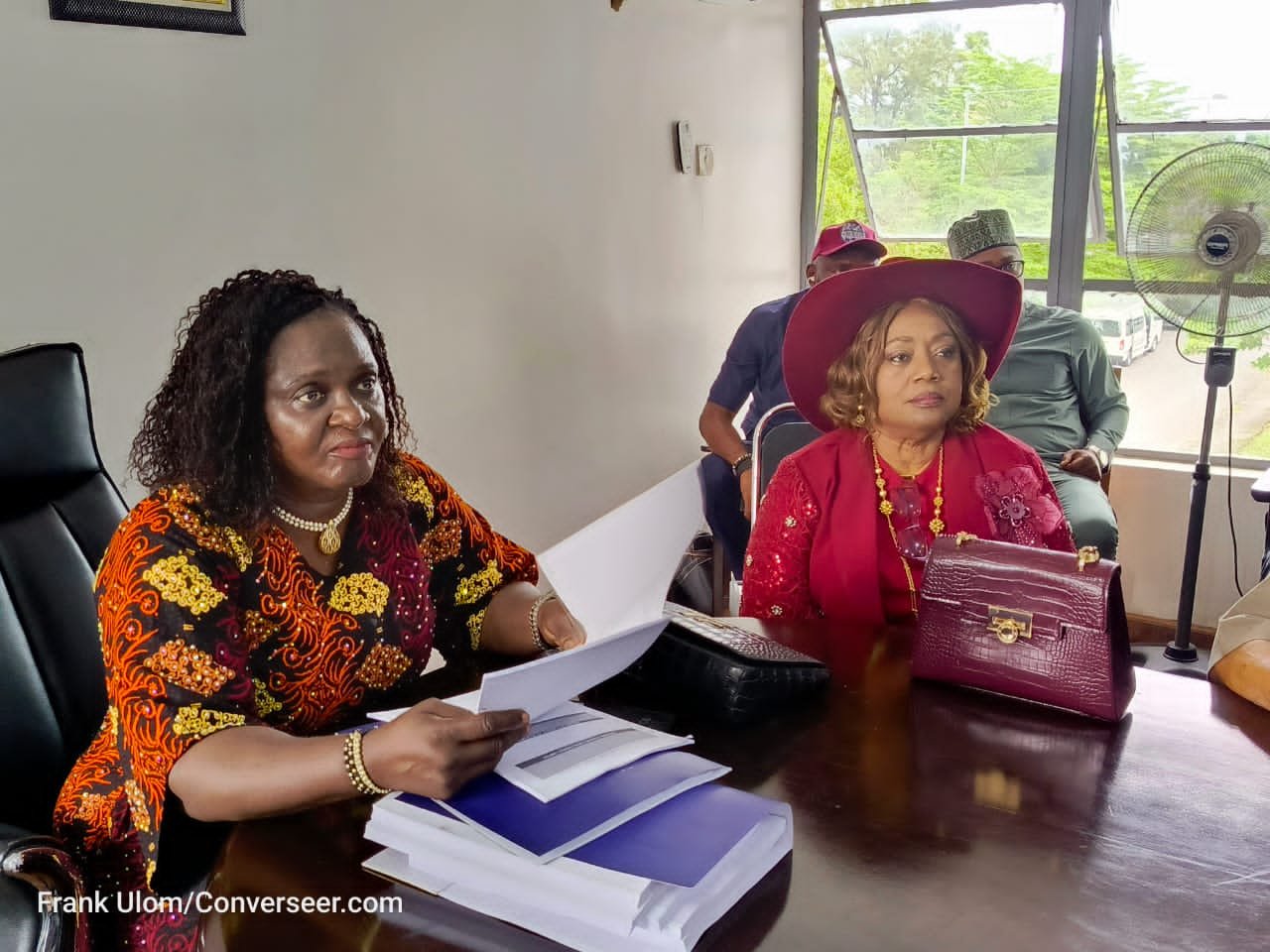
The Permanent Secretary of the Cross River State Ministry of Justice, Barrister Rosemary Onah, said the ministry examined the proposal and reviewed the draft concession agreement before its execution. She explained that the ministry was responsible for vetting government agreements to ensure that the interests of the state were protected.
According to her, the proposal submitted by AMET Industries Limited was considered beneficial to Cross River State, while the agreement provided safeguards for both the government and the private-sector partner. “What we did was that when AMET Industries Limited brought the proposal, we looked at it and we found it to be beneficial to the state,” Onah said.
She described the arrangement as a partnership designed to produce mutual benefits for the state government and AMET Industries Limited.
Onah also confirmed that the agreement contained termination clauses that would allow the government to end the concession if the company failed to fulfil its obligations. “Yes, the agreement contains termination clauses. If the concessionaire does not meet up his obligations, we have a right to terminate,” she said.
She added that the agreement outlined milestones and specific deliverables that the concessionaire would be required to achieve. According to her, the formation of Eburutu Fishery Development Limited as a Special Purpose Vehicle would enable both parties to participate in implementing the project.
She said the government’s involvement extended beyond providing or making available the land for the development, as it would also have a stake in the company responsible for executing the investment.
The Commissioner for Livestock, Aquaculture and Fisheries, Chief (Dr) Francis Ekpeyong, said the signing marked the completion of the government’s immediate responsibilities towards opening the project for implementation. He said the private-sector partner could now proceed with the next stages of development, including laying the foundation for the facilities.
Asked when work would begin, Ekpeyong said the project was expected to commence immediately. He explained that the initiative would address the existing pattern in which fish caught in the area was taken elsewhere for processing before being returned to Cross River for sale.
According to him, developing processing facilities within the state would help retain more economic activity locally and strengthen the state’s fishery sector. He said the project would support fish processing, drying and marketing, while helping to make fish more affordable for residents adding that the initiative would contribute to the state economy by improving local processing capacity and creating opportunities within the fishery value chain.
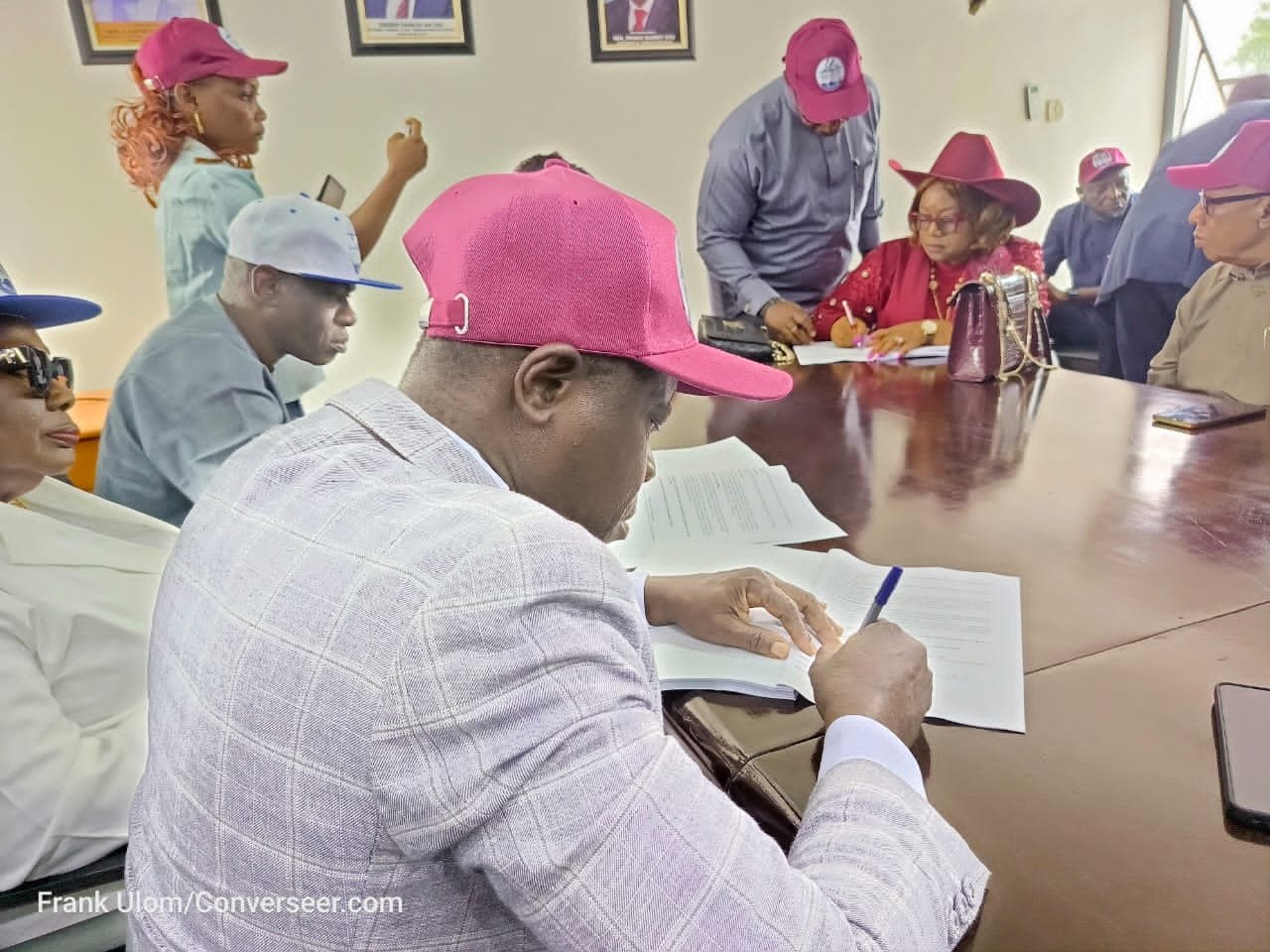
The Permanent Secretary of the Ministry of Investment, Elder Odey Ikongha, described the signing as an important milestone in the development of the project. He said AMET Industries Limited had promoted the initiative before the state government recognised the need to establish a dedicated vehicle to coordinate its implementation.
According to him, the process had taken more than a year before reaching the signing stage. “Today, the impact of that activity, even though it has been lingered for more than a year plus now, so what we talk about today, we are achieving our giant strike by signing the documents so that this project will take off in Cross River State,” Ikongha said.
He explained that the project was expected to attract substantial investment, generate revenue for the government and support economic development, stressing that the concession agreement was important because it provided the basis for the project to move from planning to implementation.
Evare Riman, Business Manager, Public Sector, First Bank Nigeria, welcomed the agreement and pledged the bank’s support for the successful implementation of the investment. He said the project presented an opportunity to bring development and employment benefits associated with similar initiatives elsewhere closer to Cross River residents.
Riman said the bank was willing to work with Eburutu Fishery Development Limited to develop a suitable financing structure for the project. “As a bank, we’re happy to work with Eburutu Fishery Development Limited to ensure that this project becomes a huge success,” he said.
He added that First Bank would deploy its experience to help establish a workable financial arrangement, depending on the project’s financing requirements. Riman also commended the Ministry of Justice and its officials for their role in preparing the concession agreement for execution. He reaffirmed the bank’s commitment to supporting the project.
Muri Ekpenyong Ndiyo, a community leader in Esierebom, where the project is located, expressed optimism that the investment would improve the economic prospects of residents. He said the project could mark a significant change for the community by creating jobs and providing opportunities for people who had struggled to secure gainful employment.
Ndiyo described the investment as a potential turning point for Esierebom and the wider Calabar South area. “For such a long time, we’ve never had any government presence in the Calabar South and this project is going to be the game changer,” he said.
He added that residents expected the development to create employment opportunities that would enable more people to earn a living rather than remain unemployed. “We know as a fact that with this project in place, our people are not going to be on the streets again, they are going to be gainfully employed,” Ndiyo said.
The Eburutu Fishery Development project is expected to establish a fishery processing and commercial hub in Cross River State, with potential benefits extending to aquaculture, fish marketing, feed production, logistics and related businesses.
Its proposed 25-year concession, renewable for another 25 years, provides for a long-term partnership between the state government and AMET Industries Limited through Eburutu Fishery Development Limited.
While the signing of the agreement marks a major step towards implementation, the project’s anticipated economic benefits will depend on the delivery of the agreed milestones, the development of the proposed facilities and the effective operation of the concession.
The agreement also provides for the termination of the concession if the private-sector partner fails to meet its obligations, according to the Ministry of Justice.
For the state government, the investment presents an opportunity to attract private capital without a direct financial commitment while securing a share of the project’s benefits. For residents, particularly those in Esierebom and surrounding communities, the immediate expectations centre on employment, improved fish processing capacity and more affordable fish.
If implemented as outlined by the stakeholders, the project could strengthen Cross River’s fishery value chain while providing a long-term source of revenue and economic opportunities for the state.