By Christian Njoku
Namibia and Nigeria are exploring stronger coffee trade and investment partnerships, with plans to introduce Nigerian coffee into the Namibian market and expand production opportunities.
Mr Walde Ndevashiya, Namibian High Commissioner to Nigeria disclosed this in an interview with the News Agency of Nigeria (NAN) on Monday during the ongoing second coffee festival in Calabar with the theme, “sustainability: building the future of coffee in Nigeria.”
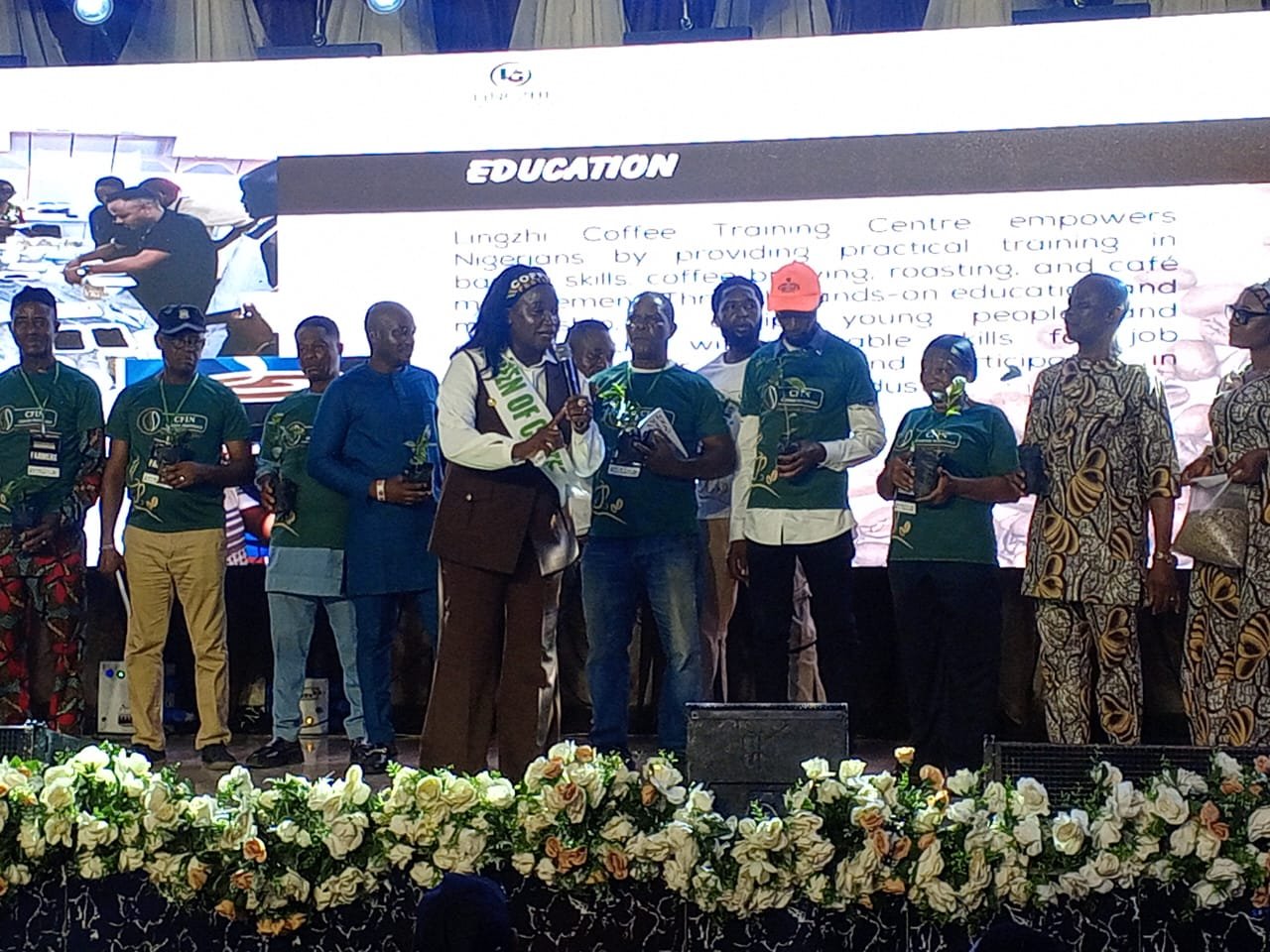
The festival organised by Lingzhi Global, a popular Nigerian coffee brand was first held in Jos in 2025 and brought together coffee experts from different parts of Africa including Brazil the current highest producers of coffee.
Describing the partnership as an opportunity to strengthen intra-African trade Ndevashiya said the collaboration followed a trade mission organised by the Namibian Embassy earlier in 2026 which attracted Nigerian interests in exploring Namibia’s economic opportunities.
“Two Namibian business representatives who participated in the mission are attending this festival to reinforce the partnership because the Nigerian coffee would soon enter Namibian markets.
“I urge African countries to move beyond rhetoric on the African Continental Free Trade Area (AfCFTA); we need to dismantle tariff and non-tariff barriers,” he said.
Similarly, Former Minister of Women Affairs, Mrs Pauline Tallen, described the coffee initiative as a transformative opportunity, urging Nigerians to embrace locally produced commodities and support homegrown businesses.
Tallen commended the initiative’s convener, Mrs Blessing Tangtur, Chief Executive Officer (CEO) of Lingzhi Global for creating opportunities for young people and attracting international partners to showcase the economic potential of Nigeria’s coffee industry.
She said the initiative could become a model for other states, adding that international participants had witnessed coffee cultivation firsthand and expressed interest in its growing investment opportunities in Nigeria.
On his part, Mr Johnson Ebokpo, Cross River’s Commissioner for Agriculture and Irrigation Development said the state was targeting 100 million coffee seedlings within 10 years, while encouraging investors to establish processing facilities and other supporting infrastructure.
He identified community-owned washing, hauling and grading stations as viable investment opportunities, stressing that local participation would strengthen the coffee value chain and create employment.
“young Nigerians must explore opportunities in coffee production, processing and export because the industry is a viable pathway to economic inclusion and entrepreneurship,” he noted.
Prof. Chukwudi Michael of Taraba State University, Jalingo, identified poor agricultural data management as a major constraint, warning that inadequate records undermine productivity and investment decisions.
Michael told NAN that reliable information on farm sizes, farmer populations, coffee varieties, fertiliser applications and harvest quantities was essential for planning, traceability and accessing international markets.
He also identified inadequate farmer orientation, weed management and environmental challenges as productivity constraints, advocating participatory research and integrated weed-control strategies suited to different farming locations for effective coffee cultivation.
The three day event also witnessed activities such as the barista competition, coffee pageantry and performances by many young artists and cultural troups.