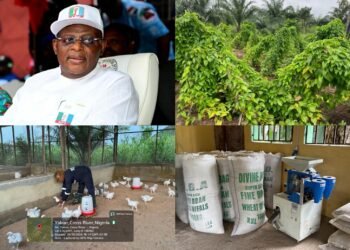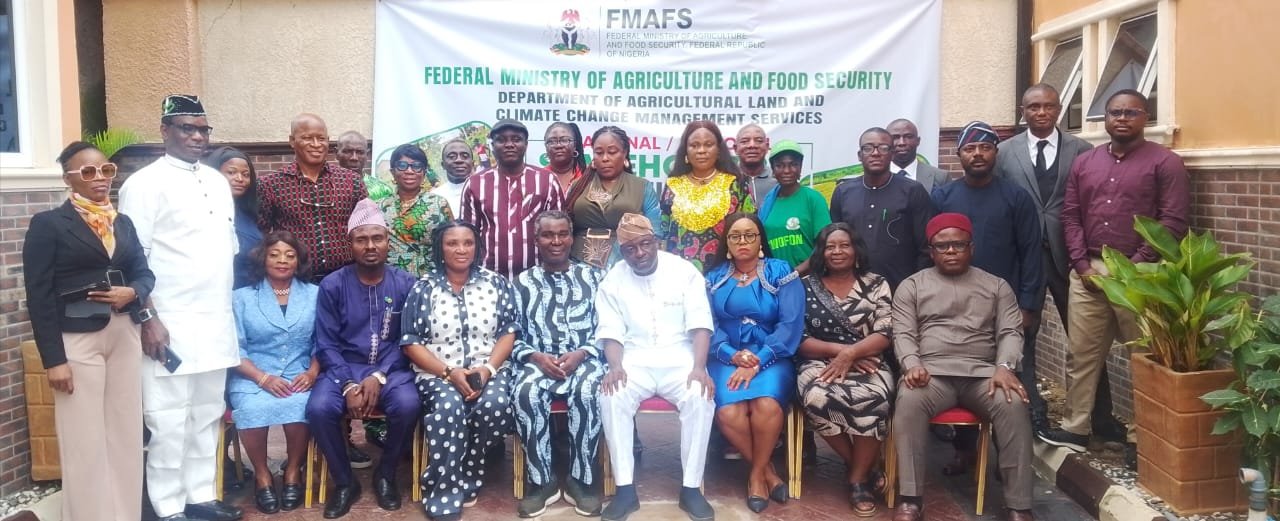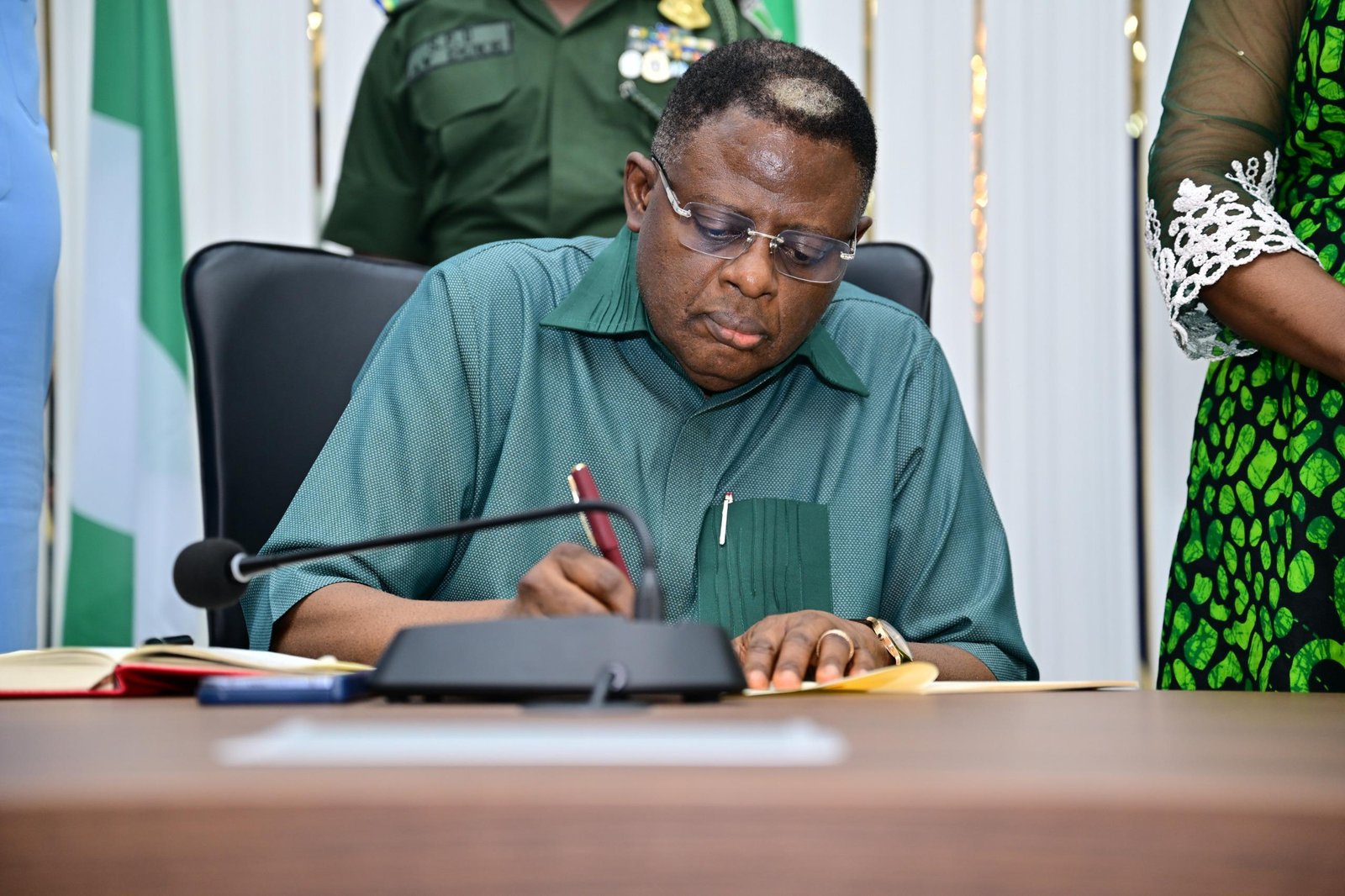
The Cross River State Commissioner for Agriculture and Irrigation Development, Hon. Johnson Andiambey Ebokpo, KSM, has led a statewide assessment tour of selected agricultural intervention sites to evaluate the progress and impact of programmes under Governor Senator Prince Bassey Edet Otu’s People First agenda, including Project Grow.
Project Grow is a Market Systems Development initiative of the Cross River State Government, designed to strengthen agricultural value chains by connecting smallholder farmers to mechanisation, technical support, private sector investment and structured markets. Through this approach, the initiative seeks to support the transition from largely subsistence farming to more productive and commercially oriented agriculture.
During the tour, the assessment team visited four selected soybean production clusters covering a combined 276 hectares, comprising 71 hectares in Odukpani, 89 hectares in Mgbeke, Yakurr LGA, 20 hectares in Ogoja LGA and 96 hectares in Bebi, Obanliku LGA. The team interacted with farmers and aggregators to assess field performance and hear firsthand about their experiences.
The four farms visited represent part of Project Grow’s wider 2026 soybean production programme, which extends across nine locations in Cross River State, including other farming communities in Buya, Woda, Iyamitet, Ovonum and Ijegu.
Under Project Grow, participating smallholder farmers are allocated one hectare each within designated production clusters, with support covering mechanised land preparation, planting and other critical stages of production. This coordinated approach is helping to address some of the challenges that have traditionally limited smallholder participation in commercial agriculture, particularly access to mechanisation and essential agricultural services.
The farmers and aggregators expressed satisfaction with the mechanised approach, noting that it has reduced the physical demands of farming and made cultivation more accessible. For many participating farmers, soybean production also represents a new agricultural experience, moving beyond traditional crops such as cassava into a commodity with growing industrial demand.
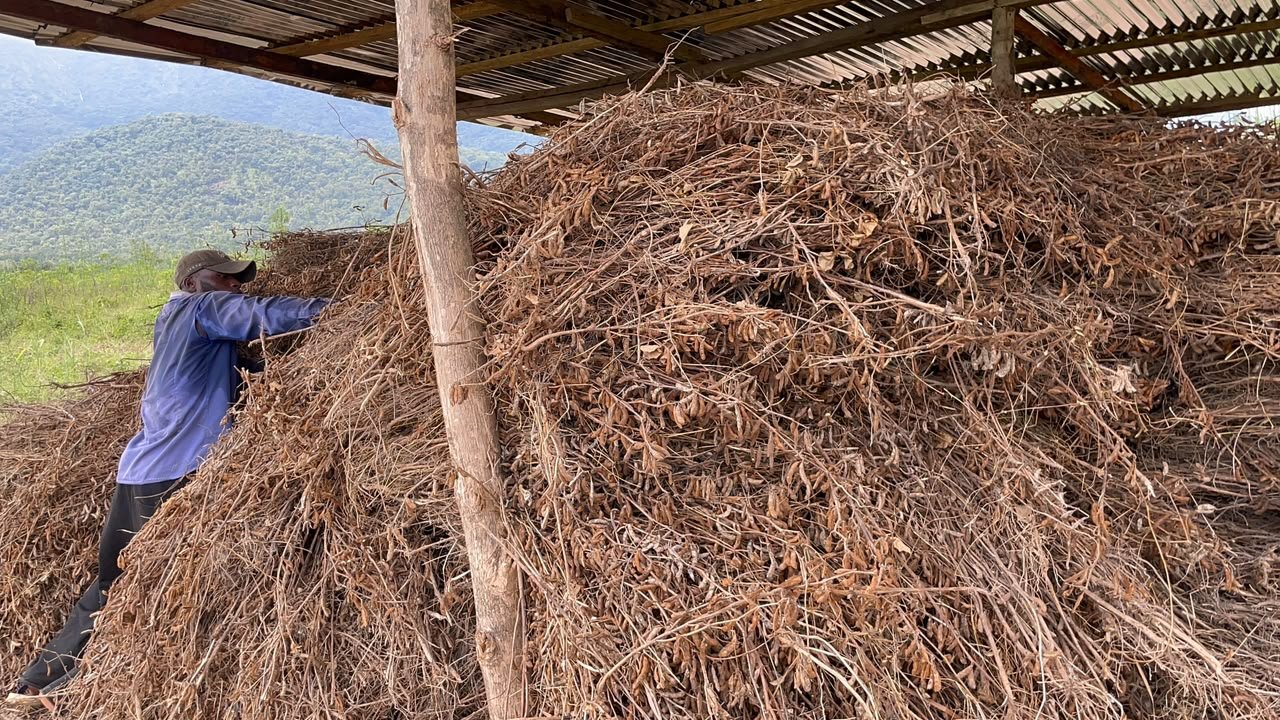
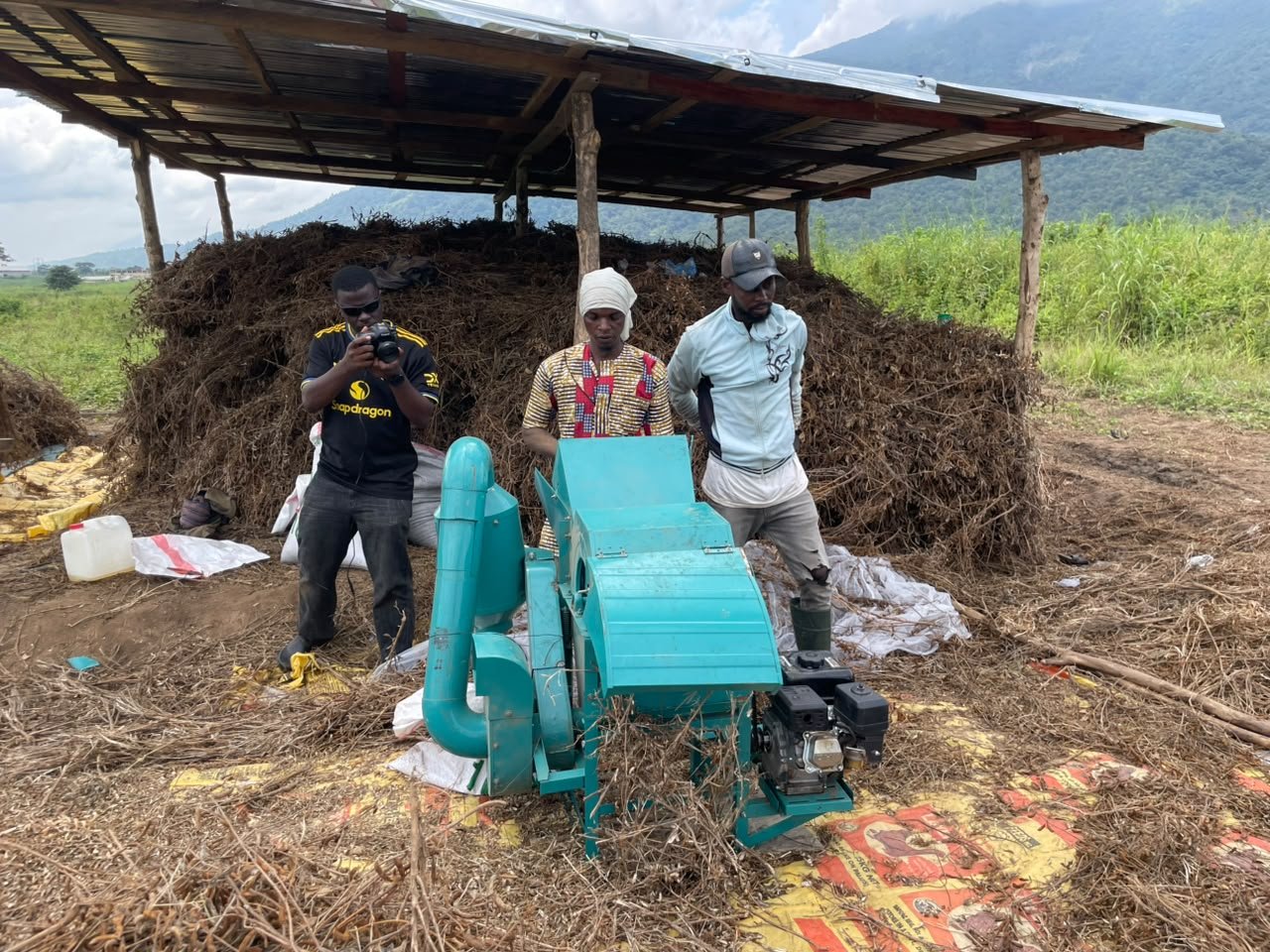
The 71-hectare Odukpani production cluster showed promising crop development, while harvesting was ongoing at the 89-hectare Mgbeke farm in Yakurr and the 20-hectare Ogoja production cluster. At the 96-hectare Bebi farm in Obanliku, the assessment team witnessed the threshing of harvested and dried soybeans, providing practical evidence of progress from land preparation and planting to harvesting and post-harvest handling.
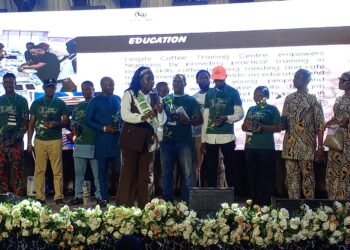
Beyond mechanisation, Project Grow is strengthening farmers’ technical capacity through agricultural extension support and practical training. In partnership with Flour Mills of Nigeria Plc, the initiative conducted a Training of Trainers programme in June 2026 across the three senatorial districts, equipping lead farmers and extension agents with knowledge of improved soybean production practices, crop management and post-harvest requirements.
A major component of Project Grow’s market-driven approach is its strategic offtake agreement with Flour Mills of Nigeria Plc, covering the annual purchase of 20,000 metric tonnes of maize and 2,000 metric tonnes of soybean, valued at an estimated ₦18 billion.
The arrangement connects participating farmers to an established industrial buyer, providing a structured market opportunity for agricultural produce and helping to reduce uncertainty around access to buyers. It also encourages farmers to adopt improved production and post-harvest practices to meet industrial quality requirements.
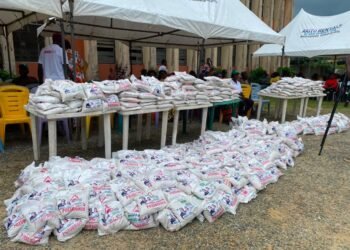
With soybean harvesting ongoing, farmers are being linked to designated aggregators, while available warehouses provide storage opportunities for harvested produce. At the conclusion of the harvesting and aggregation process, properly dried and cleaned soybeans that meet the required quality standards are expected to be consolidated for sale under the Flour Mills of Nigeria offtake arrangement.
Beyond soybean production, Project Grow’s interventions extend across other agricultural value chains, including maize, rice, cassava, aquaculture and animal fodder. Through partnerships with development organisations and private sector operators, the initiative is strengthening farmers’ access to essential services while supporting enterprise development and employment opportunities.
So far, Project Grow has facilitated the emergence of 28 indigenous agribusiness enterprises, contributed to the creation of 391 direct jobs and supported the training of over 5,300 farmers in good agricultural practices, financial literacy and modern farming techniques through its partnership with AFOS Foundation.
These interventions reflect Governor Otu’s People First commitment to improving agricultural productivity, strengthening rural livelihoods, encouraging private sector participation and expanding economic opportunities for farmers across Cross River State.
By combining mechanised production, technical support and established market linkages, Project Grow is helping smallholder farmers move towards more productive and commercially oriented agriculture, while contributing to the development of a stronger and more sustainable agricultural sector in Cross River State.