By Joe Udo
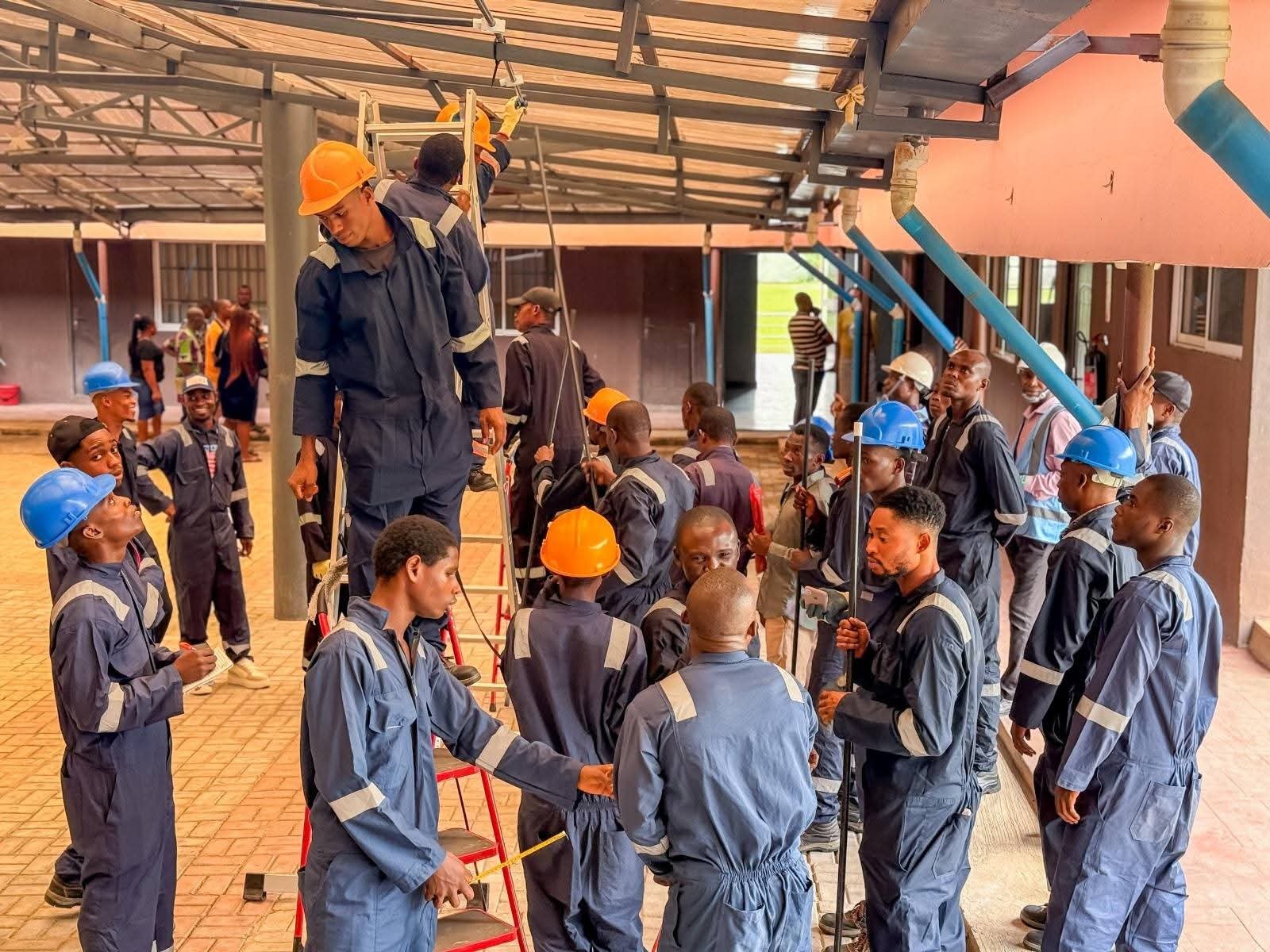
Beneficiaries of the DAKKADA Skills Acquisition Centre in Akwa Ibom State have appealed to the state government and relevant stakeholders to fulfil promises allegedly made to them after completing their training programme.
The trainees said they participated in the six-month skills acquisition initiative with the hope of becoming self-reliant and contributing meaningfully to society through entrepreneurship and vocational development.
According to the beneficiaries, the programme, established by the Akwa Ibom State Government, was designed to equip young people with practical skills and create opportunities for economic empowerment.
The group explained that after completing their training, they were sent to Ibom LED for entrepreneurship development with assurances that startup support would be provided to help them establish businesses and apply the skills acquired during the programme.
However, the beneficiaries claimed that since November 24, 2025, there had been no official communication, update, or direction regarding the next phase of the initiative.

In a statement titled “Why Our Voices Deserve To Be Heard,” the trainees expressed concern over the prolonged silence, noting that many beneficiaries were facing difficulties despite completing the programme successfully.
“We trusted the promises made to us and looked forward to becoming empowered and self-reliant individuals,” the statement read.
“Today, we remain trained, willing, and ready to work, yet we have been left uncertain about what comes next.”
The beneficiaries stressed that their appeal was not intended as an act of disrespect or ingratitude to the government but rather a call for the commitments made to participants to be honoured.
They acknowledged the efforts of the Akwa Ibom State Government in investing in youth empowerment and providing opportunities for skill acquisition, while insisting that empowerment should not end with training alone.
“True empowerment goes beyond the classroom,” the statement added. “Without the promised support, tools, and opportunities needed to begin, sustaining these skills becomes extremely difficult for many young people.”
The trainees called on relevant authorities, stakeholders, and well-meaning citizens to draw attention to their situation and ensure that the next phase of the programme was implemented.
They further appealed to the administration of Pastor Umo Eno to address their concerns and provide clarity on the future of the initiative.