

By Frank Ulom
The Joseph Ogogo Foundation (JOF) has completed its fourth education intervention programme for government primary schools in Obanliku and Obudu Local Government Areas of Cross River State, providing learning materials, supporting improved school environments and recognising teachers.
The intervention forms part of the foundation’s continued efforts to strengthen basic education and expand learning opportunities for children in underserved communities.
According to a statement by Cletus Albert Amawu, the programme focused on addressing some of the needs of pupils and teachers while contributing to the creation of more conducive environments for teaching and learning.

The foundation said the initiative reflected its commitment to ensuring that children in rural communities have access to educational resources and opportunities to develop their potential, irrespective of their geographical location.
“Every child deserves access to quality education, regardless of their location. Supporting our government primary schools is one practical way to create opportunities for children to learn, grow and achieve their full potential,” the foundation said.
The fourth edition builds on the organisation’s continued engagement with government primary schools across the two local government areas, highlighting the role of grassroots initiatives in supporting basic education.
The foundation also stressed the importance of recognising teachers, noting that their dedication and commitment remain central to the intellectual and moral development of young learners.
“Our teachers deserve encouragement, and our children deserve the resources and learning environments they need to succeed. When we support both, we strengthen the foundation for a better future,” it stated.
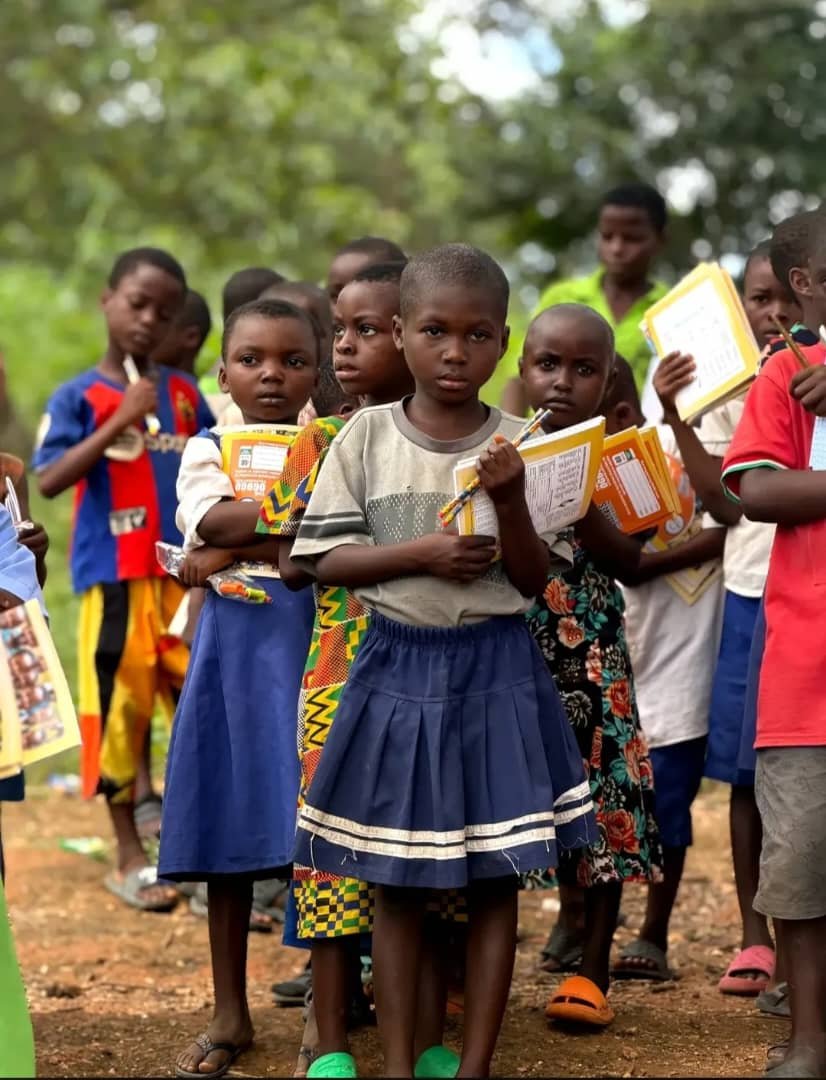
The intervention, according to the foundation, goes beyond the provision of educational materials to creating opportunities for pupils to learn with greater confidence and pursue their aspirations.
It added that access to essential learning resources and a supportive school environment could help improve pupils’ educational experiences, particularly in communities where adequate facilities and materials remain important needs.
The foundation also acknowledged the contributions of donors, volunteers and community leaders whose support helped make the fourth edition possible.
“We are grateful to our donors, volunteers and community leaders whose support made this fourth edition possible. Together, we are building a brighter future, one school at a time,” it said.
The organisation emphasised that sustained progress in basic education requires collaboration among government institutions, philanthropic organisations, parents, teachers, community leaders and development partners.
It called for continued attention to the needs of pupils and teachers in rural communities, noting that investments in primary education are essential to developing future professionals, responsible citizens and community leaders.

The foundation reaffirmed its commitment to educational development in Obanliku and Obudu, maintaining that children should not be disadvantaged by their location or lack of access to essential learning resources.
The completion of the fourth intervention marks another phase in the foundation’s efforts to support grassroots education, encourage community participation and contribute to improved learning opportunities across the two local government areas.