By Inyali Peter, PhD
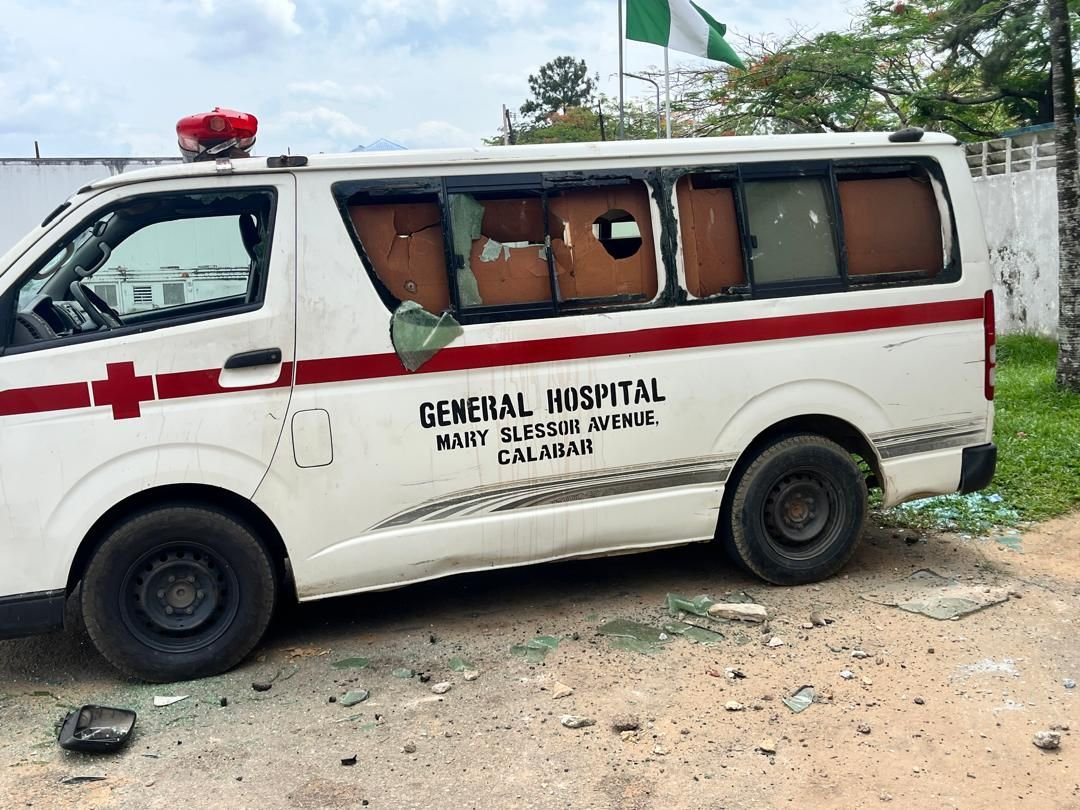
In an earlier piece on the tragic motor accident involving students of the University of Cross River State, UNICROSS, I identified two major concerns thrown up by the incident; the deplorable condition of federal roads in the state and the inadequacy of facilities at the General Hospital where some of the victims were taken.
The accident, which claimed the lives of three promising students and a staff member while leaving several others injured, has understandably generated grief, anger and protest by students. But, beyond the questions of infrastructure and equipment, another really troubling issue that the government must not ignore is the attitude of some healthcare workers within many public hospitals.
Roads can be reconstructed, and hospitals can be equipped with modern facilities, yet preventable deaths and avoidable crises may still occur if the human element of healthcare remains broken. Accidents happen even on the safest highways. What often determines survival is the urgency, compassion and professionalism with which victims are treated afterwards.
There is absolutely nothing wrong with referrals in medical practice. The protesting students themselves understand that the General Hospital is a secondary healthcare facility and may not possess the capacity to handle every emergency case. Referral is a globally accepted medical procedure.
However, the real question the government must ask is not merely whether some victims were referred elsewhere, but how that referral was handled.
How were the injured UNICROSS students received? What was the disposition of the health workers on duty? Was empathy shown? Were basic stabilisation measures administered before referral? Did the staff communicate professionally with rescuers and relatives? Who exactly was on duty, and how did they respond to the emergency?
These are important questions because perception matters in moments of trauma.
The General Hospital was not the only facility that referred patients elsewhere. Yet, it became the focal point of students’ anger and frustration. That reaction suggests that something beyond ordinary medical procedure may have occurred. Students are perceptive observers. For such outrage to erupt, there must have been conduct or interactions that created the impression that more could have been done.
Medicine is not only about prescriptions, equipment and diagnoses. Compassion itself is therapeutic. The way patients are spoken to, attended to and reassured can sometimes be as important as the medication they receive.
Unfortunately, in many public hospitals across Nigeria, some healthcare professionals behave as though saving lives is a favour rather than a duty. This culture of indifference, arrogance and emotional detachment continues to erode public confidence in the health sector.
I recall a personal experience in Abuja sometime last year that reinforced this concern.
I took a patient who had been referred to a public hospital for urgent medical attention. Upon arrival, we were informed that an emergency surgery had drawn all available doctors into the theatre. We waited patiently for several hours until a young doctor was eventually assigned to attend to other patients.
Shockingly, rather than see those who had been waiting for hours, she chose instead to socialise with colleagues. When a customer care representative reminded her that some patients had waited for more than three hours, her response was dismissive, if they could not wait, they should go elsewhere.
After much persuasion, she reluctantly ordered that our patient’s vital signs be checked. The result was alarming, the patient’s blood pressure was above 200. But despite the severity of the condition, the doctor still advised that the patient be taken to another hospital because there was supposedly no space in the emergency unit and she would not have enough time to monitor the patient in the ward.
That response was really frustrating and disappointing. I openly challenged the decision and protested within the hospital premises because I could not comprehend how a medical professional could ask that a critically ill patient be moved elsewhere after keeping us waiting for nearly four hours.
Fortunately, the commotion attracted senior medical personnel, who immediately intervened. The patient was attended to, a bed space was created in the emergency unit, and urgent care commenced. That intervention ultimately saved the patient’s life.
This is why the conversation surrounding the UNICROSS tragedy must go beyond infrastructure and manpower.
Yes, hospitals need better funding. Yes, they require more equipment and personnel. But beyond all of that, there must be a deliberate effort to reform the culture of patient care within public health institutions. Doctor-patient communication is as important as anything. And it is not just communication. It’s communication that portrays an attitude of compassion and reassurance.
Government investigations into Monday’s incident should not stop at determining whether victims were referred appropriately. Authorities must also ascertain the conduct and attitude of the officials who interacted with the victims and rescuers. The manner in which emergency cases are handled can either calm tensions or ignite public rebuke.
For meaningful improvement to happen in Nigeria’s healthcare sector, professionalism and compassion must become non-negotiable. Public hospitals must not only be places where treatment is available; they must also be places where humanity is evident.